Choosing the right podcast console can make recording smoother, cleaner, and far less stressful. The best podcast consoles with USB audio interfaces let you plug in mics, route audio easily, and keep your workflow simple.
In this roundup, we focus on options for solo creators, two-host shows, live streamers, and larger production setups so you can match the gear to your recording needs.
Best 10 Podcast Consoles with USB Audio Interfaces Picks for 2026
Premium All-in-One Studio Console

- Four combo inputs with high-gain Revolution preamps
- Dual USB and Bluetooth for multi-device setups
- 64 SMART-pad actions plus APHEX processing
Best For: Creators who want a premium all-in-one podcast and streaming console
Portable Podcast Mixer Bundle

- Dual XLR inputs with up to 60dB gain
- USB-C, Bluetooth, and 3.5mm connectivity
- Built-in battery lasts up to 8 hours
Best For: Creators who need a portable podcast mixer with battery power and sound pads
Compact Broadcast Production Hub
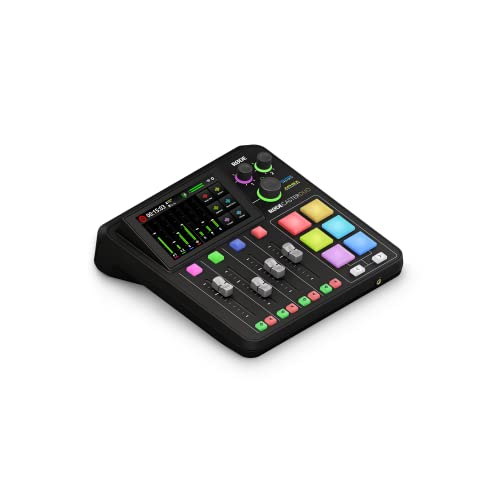
- Two Neutrik combo jacks with Revolution Preamps
- Touchscreen, four faders, and six SMART pads
- APHEX effects for polished podcast sound
Best For: Solo creators and small podcasts needing a compact pro console
Feature-Packed Audio Bundle

- Includes condenser mic, stand, and cables
- 11 sound pads plus reverb and pitch controls
- USB-C, Bluetooth, and phantom-power support
Best For: Beginners who want a complete podcast starter bundle with extras
Studio-Grade Starter Pick
Focusrite Scarlett 2i2 4th Gen
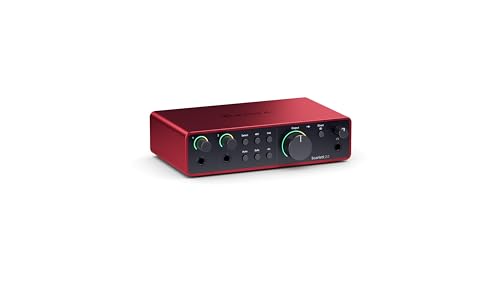
- 2 ultra-low-noise mic preamps
- Auto Gain, Clip Safe, Air, and loopback
- Includes major recording software bundle
Best For: Creators who want a polished 2-input USB interface for podcasting and recording
Mobile Creator Flex Pick
MAONO P2 Hybrid USB Audio Interface

- Connects to computer and phone/iPad at once
- Dual XLR inputs with 56dB gain and loopback
- ProStudio 2 adds routing and VST effects
Best For: Podcasters and streamers who need mobile-friendly, multi-device recording
Budget Podcast Basic

- 48kHz USB interface with simple two-channel layout
- One XLR/line input plus one instrument input
- Zero-latency monitoring and included software
Best For: Beginners who want an affordable, simple USB interface for podcast recording
Hybrid Mobile Creator Console
MAONO P1 Hybrid USB Audio Interface
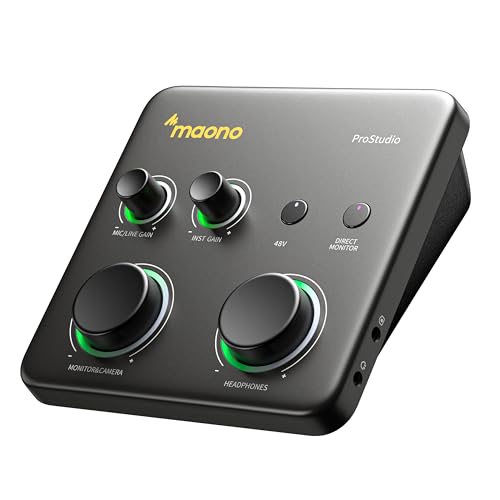
- Dual USB ports for computer plus phone/iPad use
- 70dB gain with -130dB EIN for dynamic mics
- Auto-Gain, loopback, and routing software for creators
Best For: Creators who want flexible podcasting and mobile recording
Simple Dual-Input Starter
M-AUDIO M-Track Duo USB Audio Interface
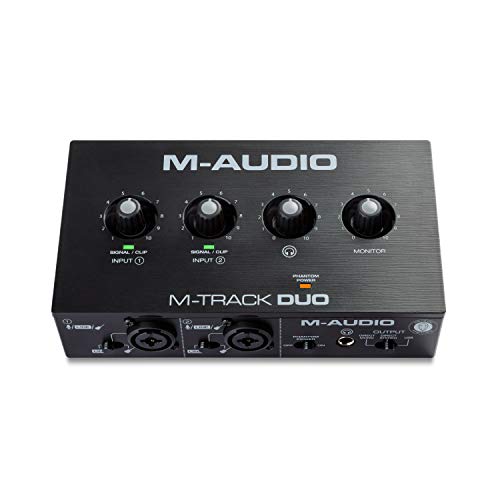
- Two combo XLR/line/instrument inputs
- Zero-latency monitoring with USB/Direct switch
- Includes MPC Beats software bundle
Best For: Beginners needing a simple two-input podcast interface
Compact Routing Interface
MAONO PS22 Lite USB Audio Interface

- 24-bit/192kHz audio with 106dB dynamic range
- XLR input with 48V phantom power and 56dB preamp
- ProStudio routing software plus ASIO support
Best For: Compact podcast and streaming setups with routing needs
Premium All-in-One Studio Console – RØDECaster Pro II White
If you want podcast consoles with USB audio interfaces that can handle recording, streaming, and content creation in one place, the RØDECaster Pro II is built for that workflow. It combines four combo inputs, dual USB, and Bluetooth with onboard processing, so you can connect multiple devices and shape audio without a separate rack of gear.
Best For: Podcasters and creators who want a feature-rich desktop console with deep routing, effects, and multi-device connectivity.
Pros:
- Four combo inputs with ultra-low-noise, high-gain Revolution preamps.
- Dual USB and Bluetooth channels for computers, smartphones, tablets, and more.
- Eight SMART pads with eight banks for up to 64 user actions.
- Studio-style APHEX processing plus compressor, de-esser, gate, EQ, and more.
Cons:
- More console than a simple plug-and-play interface.
- Likely best suited to users who need multiple functions in one device.
The big advantage here is flexibility: you can record to microSD, external storage, or a computer, and the quad-core engine suggests room for future feature growth. For creators who want a polished all-in-one setup, this is a strong premium pick.
Portable Podcast Mixer Bundle – MaonoCaster E2 Gen2
For buyers comparing podcast consoles with USB audio interfaces, the MaonoCaster E2 Gen2 stands out as a compact bundle with practical creator-friendly controls. It includes dual XLR inputs, USB-C, 3.5mm connectivity, and a built-in battery, making it a flexible choice for home studios and mobile recording setups.
Best For: Podcasters and streamers who want a portable mixer bundle with sound pads, voice effects, and battery power.
Pros:
- Two XLR combo inputs with up to 60dB gain for dynamic mics.
- USB-C, Bluetooth, and 3.5mm options for broad device connectivity.
- Eight customizable sound effect buttons with up to 20 seconds each.
- Built-in 1500mA battery rated for up to 8 hours of use.
Cons:
- Fewer inputs than larger multi-channel consoles.
- Sound pad limits may be restrictive for users wanting longer clips.
The E2 Gen2 focuses on ease of use and quick setup, with loopback, monitoring, mute control, and voice effects that suit live shows. If portability matters as much as features, this bundle makes a lot of sense.
Compact Broadcast Production Hub – RØDECaster Duo Compact
If you want podcast consoles with USB audio interfaces in a smaller footprint, the RØDECaster Duo is designed as a compact all-in-one production studio. It brings together two Neutrik combo jacks, USB connectivity, onboard processing, and hands-on controls for podcasting, streaming, and music work.
Best For: Solo creators and two-person shows that want a compact console with pro-style audio control.
Pros:
- Two high-quality Neutrik combo jacks with Revolution Preamps.
- Four broadcast-quality faders and a touchscreen with haptic feedback.
- Six SMART pads with bank switching for quick actions.
- APHEX effects including Aural Exciter and Big Bottom.
Cons:
- Only two combo inputs, so it is less expandable than larger consoles.
- Best for streamlined setups rather than bigger multi-guest productions.
The Duo keeps the core RØDECaster workflow intact while shrinking the size and channel count. It is a strong option when you want studio-style features without committing to a full-sized production console.
Feature-Packed Audio Bundle – MAONOCASTER AME2A Kit
Among podcast consoles with USB audio interfaces, the MAONOCASTER AME2A kit is aimed at creators who want an interface bundle with extra mic hardware included. It pairs an audio mixer with an XLR condenser microphone and adds broad device support, onboard effects, and live-streaming features for a complete starter setup.
Best For: Beginners or budget-minded creators who want an all-in-one bundle with a microphone included.
Pros:
- Includes an XLR condenser microphone, cable, and stand in the package.
- Up to 11 customized sound pads with adjustable volume.
- Built-in preamps with phantom power and up to 60dB gain.
- USB-C, Bluetooth, AUX-IN, and multiple output options for streaming.
Cons:
- USB microphones are not supported.
- Works with standard 3.5mm headphones only, not USB headphones.
This bundle is appealing if you want a ready-to-use path into podcasting and live streaming. Its many controls and included accessories make it especially practical for first-time setup decisions.
Studio-Grade Starter Pick – Focusrite Scarlett 2i2 4th Gen
If you want podcast consoles with USB audio interfaces that also pull double duty for music and streaming, the Scarlett 2i2 4th Gen is an easy place to start. It gives you two ultra-low-noise mic preamps, two inputs, 24-bit/192kHz recording, and useful tools like Auto Gain, Clip Safe, Air, and loopback.
Best For: Podcasters and solo creators who want a polished, studio-quality USB interface with simple setup and strong vocal capture.
Pros:
- Two 4th Gen mic preamps support recording with clean, high-fidelity sound.
- Auto Gain and Clip Safe help set levels and avoid distortion during takes.
- Air mode adds vocal presence when you want a more produced podcast sound.
- Includes software and plugins to help you start recording right away.
Cons:
- It is a 2-input interface, so it is better suited to small podcast setups.
- Best results depend on using the included software or your preferred DAW workflow.
Overall, this is a strong choice if you want an interface that feels refined without being complicated. It stands out for creators who care about reliable recording levels and a clean, professional starting point for podcasting.
Mobile Creator Flex Pick – MAONO P2 Hybrid USB Audio Interface
For podcast consoles with USB audio interfaces that need phone, tablet, and computer flexibility, the MAONO P2 is built around a hybrid workflow. It connects to a computer and phone or iPad at the same time, supports dual XLR inputs, includes loopback and mute controls, and adds routing software for streaming and recording.
Best For: Podcasters, streamers, and mobile creators who want one compact interface that works across PC, phone, and tablet setups.
Pros:
- Dual USB ports with MFi-certified connectivity support computer plus mobile-device workflows.
- 56dB gain, 24-bit/192kHz audio, and -130dB EIN are aimed at clean vocal recording.
- Independent mute and monitor controls make live podcasting and streaming easier to manage.
- ProStudio 2 adds routing, VST effects, noise reduction, and loopback for creator workflows.
Cons:
- The feature set is more workflow-focused, so it may take some setup time to learn routing options.
- It is positioned more for solo creators and compact setups than larger multi-mic studios.
In practice, this is a versatile option for creators who move between devices and platforms. If your podcast setup needs mobile support, direct monitoring, and flexible routing in one small unit, the P2 is well matched to that job.
Budget Podcast Basic – M-AUDIO M-Track Solo
If you need podcast consoles with USB audio interfaces on a tighter budget, the M-AUDIO M-Track Solo keeps the essentials in a simple portable package. It offers 48kHz recording, one combo XLR/line input with phantom power, one line/instrument input, zero-latency monitoring, and a software suite to get started.
Best For: New podcasters and solo creators who want a straightforward USB interface for basic recording and streaming.
Pros:
- Simple two-channel design is easy to understand and quick to set up.
- Crystal Preamp is designed to deliver transparent microphone capture.
- USB/direct monitoring helps reduce latency while recording.
- Includes MPC Beats software for an out-of-the-box starter workflow.
Cons:
- 48kHz max sample rate is lower than some higher-end interfaces.
- Fewer advanced features than more creator-focused podcast interfaces.
For straightforward podcasting, this is the most no-frills option in the group. It makes sense when you want basic XLR recording, monitoring flexibility, and a compact footprint without paying for extra features you may not need.
Hybrid Mobile Creator Console – MAONO P1 Hybrid USB Audio Interface
If you’re shopping for podcast consoles with USB audio interfaces, the MAONO P1 is built for creators who want one compact device to handle recording, streaming, and mobile workflows. Its dual USB ports let you connect a computer and phone or iPad at the same time, while 70dB of gain, loopback, and routing software make it easier to manage voice, instruments, and desktop audio without extra gear.
Best For: Podcasters, streamers, and mobile creators who want computer-and-phone recording flexibility in one interface.
Pros:
- Dual USB connectivity supports simultaneous computer and mobile device use.
- Up to 70dB gain and -130dB EIN suit hungry dynamic microphones.
- Auto-Gain, loopback, and routing software simplify live streaming setups.
- Direct monitoring and independent mute controls help manage sessions cleanly.
Cons:
- Routing software adds features, but may take time to learn.
- Best fit for creators who need flexibility, not a bare-bones interface.
Overall, the P1 stands out if you want a creator-focused interface that bridges podcasting, streaming, and mobile recording. It offers more workflow control than basic entry-level units, especially for users who plan to capture audio across multiple devices.
Simple Dual-Input Starter – M-AUDIO M-Track Duo USB Audio Interface
For buyers comparing podcast consoles with USB audio interfaces, the M-AUDIO M-Track Duo is a straightforward pick that covers podcasting, recording, and live streaming without a lot of setup complexity. It offers two combo XLR/line/instrument inputs, 48kHz resolution, and zero-latency monitoring, making it practical for solo hosts and small two-source sessions.
Best For: Beginners and budget-conscious creators who need a simple two-input USB interface for podcasts and basic recording.
Pros:
- Two combo XLR/line/instrument inputs add useful flexibility.
- Zero-latency monitoring with USB/Direct switching helps during live sessions.
- Transparent Crystal Preamps are designed to work well with condenser mics.
- Includes MPC Beats software to get started on production.
Cons:
- 48kHz resolution is solid, but less advanced than higher-resolution options.
- More basic feature set than creator-focused interfaces with routing tools.
The M-Track Duo makes sense if you want a reliable, easy-to-understand interface for podcasting and entry-level recording. It doesn’t chase advanced workflow features, but it does cover the essentials cleanly for small setups.
Compact Routing Interface – MAONO PS22 Lite USB Audio Interface
If you want podcast consoles with USB audio interfaces that are small but still feature-rich, the MAONO PS22 Lite is aimed at recording, streaming, and guitar workflows. It delivers 24-bit/192kHz audio, supports XLR microphones with phantom power, and includes ProStudio routing software plus ASIO support for more controlled low-latency use.
Best For: Podcasters, streamers, and beginner creators who want a compact interface with routing tools and instrument support.
Pros:
- 24-bit/192kHz recording and 106dB dynamic range support detailed audio capture.
- XLR input with up to 56dB preamp and 48V phantom power suits mic users.
- Dedicated instrument input makes it useful for guitar and vocal work.
- ProStudio routing software and ASIO support add useful streaming flexibility.
Cons:
- Designed for a compact setup, so it may not suit users wanting many physical controls.
- Routing features are helpful, but more involved than a basic plug-and-play interface.
As a lightweight all-rounder, the PS22 Lite is a good match for users who want a compact desktop interface with more than just the basics. It balances beginner-friendly operation with enough routing and monitoring features to serve podcasting and content creation well.
How We Picked the Best Podcast Consoles with USB Audio Interfaces
We prioritized Podcast Consoles with USB Audio Interfaces that balance sound quality, ease of setup, and practical creator features. That includes clean mic preamps, enough input options for your show format, low-latency monitoring, loopback support, phantom power where needed, and controls that make live recording more dependable.
We also looked at whether each option makes sense for beginners, growing podcasts, and creators who want a more integrated production hub instead of a basic interface.
Quick Comparison
If you want an all-in-one studio center, the RØDECaster models stand out for workflow and podcast-specific control. If you want a more traditional interface with strong value, focus on compact units from Focusrite, M-AUDIO, and MAONO. Bundle-style options can be appealing if you need microphones and accessories in one purchase.
Best for Simple Solo Recording
A compact two-channel interface is usually enough for one host, one mic, and occasional instrument or guest audio.
Best for Two Hosts or Dynamic Setups
Look for dual XLR inputs, dependable gain, and routing tools that help when you are switching between microphones, phones, and computers.
Key Buying Factors for Podcast Consoles with USB Audio Interfaces
Inputs and expandability: Count how many microphones and external sources you need today, then add one more if you plan to grow. Dual XLR is the sweet spot for many podcasts, while larger consoles suit panels and hybrid productions.
Gain and mic compatibility: Dynamic microphones often need more clean gain than people expect. If you use lower-output mics, check the preamp range and whether the unit handles gain without excessive noise.
USB routing and loopback: For streaming, remote interviews, and screen-share content, loopback and flexible routing can save a lot of setup time and help you manage computer audio cleanly.
Monitoring and controls: Direct monitoring, mute buttons, smart pads, and physical knobs make live sessions safer and faster. These features matter most when you are recording under pressure.
Power and extras: Phantom power is essential for condenser microphones. Bluetooth, phone input, and bundled software can be useful, but only if they fit your workflow.
Who Should Buy Which Podcast Consoles with USB Audio Interfaces?
Choose an all-in-one console if you want the simplest podcast workflow, multiple sound controls, and a device built for content creation rather than just audio capture.
Choose a compact USB interface if you want better portability, a lower learning curve, and a cleaner way to record one or two microphones without extra features you will not use.
Choose a bundle if you are starting from scratch and want microphones, cabling, and an interface in one package.
For most buyers, the best choice comes down to how many voices you record, how often you stream, and whether you want a true production console or a straightforward interface that keeps your podcasting setup efficient.