Choosing the right display can make long coding sessions easier on your eyes and more efficient on your workflow. The best computer monitor for programmers balances sharp text, sensible ergonomics, and enough screen space for multitasking.
In this roundup, we focused on monitors that suit real development work, from compact IPS panels to ultrawide and high-resolution options built for side-by-side windows, code editors, and terminal use.
Best 10 Computer Monitor for Programmers Picks for 2026
Coding-Focused Premium Pick
BenQ RD280UA 28.2” 4K Programming Monitor

- 3:2 4K panel adds vertical space for code and docs
- Nano Matte coating helps reduce glare and reflections
- Ergo Arm and eye-care tools support long sessions
Best For: developers who want a premium, eye-comfort-first coding monitor
Color-Accurate Compact Choice
ASUS ProArt PA248QV 24" WUXGA Monitor
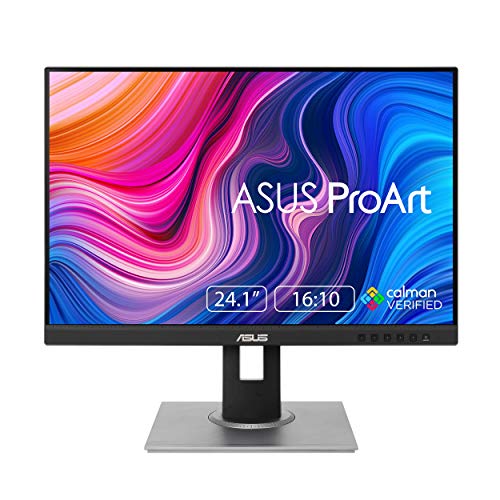
- 16:10 WUXGA layout adds vertical space for coding
- 100% sRGB/Rec.709 with DeltaE < 2 for accuracy
- Anti-glare panel and adjustable stand improve comfort
Best For: programmers who want a compact, accurate monitor with extra vertical room
Multitasking Ultrawide Pick
LG 34WR55QK-B 34" Curved UltraWide

- 34-inch 21:9 ultrawide layout fits multiple windows easily
- USB-C with 65W power delivery supports simpler setups
- OnScreen Control and PbP help manage workflow
Best For: developers who need lots of screen space for multitasking
Balanced Ultrawide Value
Dell S3425DW 34" Curved Monitor

- 3440 x 1440 ultrawide format supports side-by-side work
- 120Hz and FreeSync Premium deliver smooth responsiveness
- USB-C with 65W and ComfortView Plus improve daily use
Best For: programmers who want a responsive ultrawide with easy USB-C connectivity
Budget-Friendly Large Display
Samsung 32-inch flat monitor for everyday coding

- 32-inch borderless design
- Eye Saver Mode and Flicker Free
- 75Hz with AMD FreeSync
Best For: Developers who want a simple large-screen setup
Premium Ultrawide Productivity
Dell 40-inch curved ultrawide for power multitasking

- 40-inch 5K2K curved ultrawide
- USB-C, Thunderbolt, Ethernet, USB hub
- 120Hz with ergonomic adjustments
Best For: Power users who want a premium all-in-one workspace
Best for Comfort
Samsung 34-inch ultrawide for practical multitasking

- 3440 x 1440 ultrawide workspace
- PBP/PIP for two-source workflows
- 100Hz with eye comfort features
Best For: Programmers who want a roomy everyday ultrawide
Budget-Friendly Comfort Pick

- 144Hz with 1ms MPRT for smooth motion
- Height, tilt, pivot, and swivel adjustment
- TUV-certified eye comfort and built-in speakers
Best For: Programmers who want an adjustable everyday monitor with extra smoothness
Balanced Productivity Choice
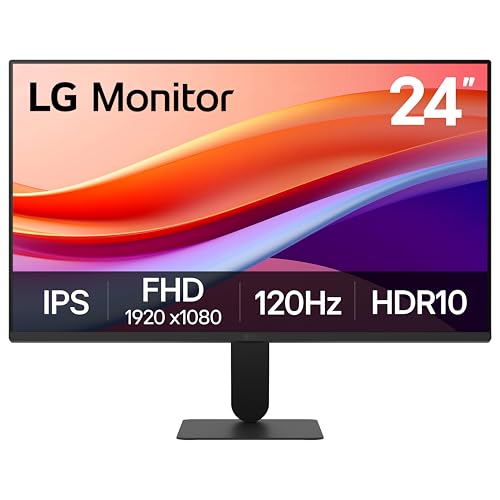
- IPS display with wide 178-degree viewing angles
- 120Hz refresh plus Reader Mode and Flicker Safe
- Switch app supports split-screen multitasking
Best For: Developers who want a simple, comfortable monitor for daily coding
Fast Everyday IPS Option
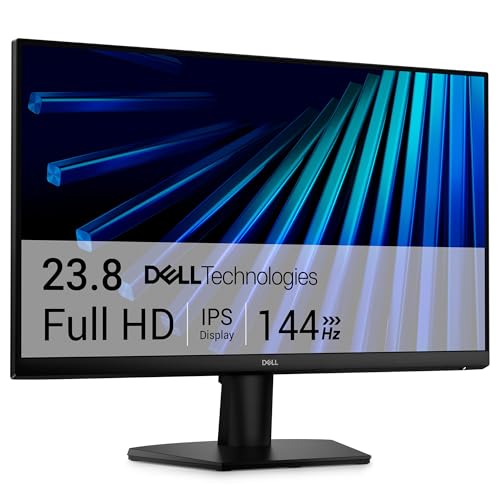
- IPS panel with wide 178-degree viewing angles
- 144Hz refresh and 1ms MPRT for smooth motion
- TUV Rheinland 3-star eye comfort certification
Best For: Programmers who want a simple IPS monitor with smooth scrolling
Coding-Focused Premium Pick – BenQ RD280UA 28.2” 4K Programming Monitor
If you want a computer monitor for programmers that’s clearly tuned for long coding sessions, the BenQ RD280UA stands out with its 3:2 4K 3840 x 2560 panel, Nano Matte anti-glare coating, and coding-specific display modes. The included Ergo Arm and eye-care features make it a strong fit for desks where comfort and screen positioning matter just as much as sharp text.
Best For: Developers who want a premium, eye-comfort-first monitor with extra vertical space and flexible positioning.
Pros:
- 3:2 4K resolution gives you more vertical workspace for code, docs, and terminals.
- Nano Matte Panel reduces glare and reflections for easier all-day viewing.
- Advanced Coding Modes and Coding HotKey are designed specifically for programmers.
- Ergo Arm stand plus Night Hours Protection helps support comfortable late-night work.
Cons:
- 60Hz refresh rate is fine for coding, but not aimed at fast-motion use.
- Premium feature set may be more monitor than casual users need.
- Large, mounted design may take planning to fit smaller desks.
For programmers who care about readability, ergonomic setup, and reduced eye fatigue, this BenQ is purpose-built around the daily realities of coding. Its strongest advantage is how many details are aimed at making extended development work feel easier.
Color-Accurate Compact Choice – ASUS ProArt PA248QV 24" WUXGA Monitor
For buyers looking for a computer monitor for programmers in a smaller, practical format, the ASUS ProArt PA248QV focuses on clarity, comfort, and accurate color. Its 16:10 WUXGA resolution gives you a bit more vertical room than standard 16:9 displays, while the anti-glare panel and adjustable stand make it easy to live with during long workdays.
Best For: Programmers who want a compact, color-accurate monitor with extra vertical space and flexible ergonomics.
Pros:
- 16:10 1920 x 1200 resolution provides useful extra vertical space for code and tools.
- 100% sRGB/Rec.709 coverage and DeltaE < 2 support accurate, consistent color.
- Anti-glare screen and fully adjustable stand improve day-to-day comfort.
- Good connectivity options include DisplayPort, HDMI, and D-Sub.
Cons:
- 24-inch size may feel small if you prefer lots of side-by-side windows.
- 75Hz refresh rate is modest compared with faster panels.
- Not as expansive as ultrawide options for heavy multitasking.
This is a sensible programming monitor if you want dependable text space, a comfortable viewing setup, and professional-grade color handling without moving into a large ultrawide category. It’s especially appealing for tighter desks or developers who prefer a more traditional screen size.
Multitasking Ultrawide Pick – LG 34WR55QK-B 34" Curved UltraWide
If your ideal computer monitor for programmers is one that can hold several windows at once, the LG 34WR55QK-B makes a strong case with its 34-inch 21:9 ultrawide WQHD panel. The curved design, USB-C with up to 65W power delivery, and OnScreen Control tools are built for a smoother multitasking workflow.
Best For: Developers who work with multiple apps, split windows, and a dock-like single-cable setup.
Pros:
- 34-inch 21:9 ultrawide WQHD screen is well suited to multiple windows and side-by-side work.
- USB-C with up to 65W power delivery can simplify laptop connections.
- OnScreen Control and Picture-by-Picture support flexible multitasking layouts.
- Reader Mode and the matte finish help make longer sessions easier on the eyes.
Cons:
- VA panel response and contrast-focused tuning may not appeal to everyone.
- At 100Hz, it’s more productivity-oriented than high-end gaming oriented.
- Large ultrawide footprint requires enough desk space.
For coders who live in multiple panes, terminal windows, and reference material, this LG ultrawide is built around workspace efficiency. It’s a practical pick when maximizing screen real estate matters more than a traditional monitor shape.
Balanced Ultrawide Value – Dell S3425DW 34" Curved Monitor
The Dell S3425DW is a computer monitor for programmers that balances workspace, comfort, and a few premium extras in a 34-inch curved ultrawide format. With 120Hz refresh, USB-C connectivity, and ComfortView Plus, it aims to make coding sessions feel smoother while keeping the desk cleaner.
Best For: Programmers who want a fast-feeling ultrawide with eye comfort and a simple USB-C connection.
Pros:
- 34-inch 3440 x 1440 ultrawide screen gives plenty of room for side-by-side work.
- 120Hz refresh rate and FreeSync Premium make motion feel smooth and responsive.
- ComfortView Plus reduces harmful blue light emissions without sacrificing color accuracy.
- USB-C with up to 65W power delivery helps cut down cable clutter.
Cons:
- VA panel setup is more about contrast and general productivity than color-critical work.
- Large curved design may be too much for smaller desks.
- Built-in speakers are useful, but not the main reason to buy this monitor.
This Dell makes sense for developers who want an ultrawide that feels a little more responsive than standard office displays. It combines practical coding space with comfort and neat connectivity in a way that should fit many modern desks.
Budget-Friendly Large Display – Samsung 32-inch flat monitor for everyday coding
If you want a computer monitor for programmers that gives you plenty of screen space without getting fancy, this 32-inch Samsung is a straightforward pick. Its 1080p panel, borderless design, and eye comfort features make it practical for code editing, documentation, and everyday office work.
Best For: Developers who want a large, simple monitor for long coding sessions and basic multitasking.
Pros:
- 32-inch screen with a three-sided borderless design for a cleaner multi-monitor setup
- Eye Saver Mode and Flicker Free support more comfortable extended use
- 75Hz refresh rate and AMD FreeSync help keep motion smooth
- Wall-mountable with HDMI and DisplayPort connectivity for flexible desk setups
Cons:
- 1080p resolution is modest for a 32-inch panel
- 8 ms response time and 250 cd/m² brightness are fairly basic
- Only one HDMI port listed, so connectivity may be limited for some setups
For programmers focused on value and screen size over sharpness, this monitor is a sensible everyday option. It is better suited to general productivity than high-density text work or premium creator use.
Premium Ultrawide Productivity – Dell 40-inch curved ultrawide for power multitasking
For a computer monitor for programmers who live in multiple windows, this Dell UltraSharp makes a strong case for premium productivity. The 40-inch curved ultrawide panel, 5K2K resolution, and extensive USB-C/Thunderbolt-style connectivity are aimed at users who want one display to handle coding, reference material, and collaboration tools at once.
Best For: Power users who want a high-end ultrawide monitor for dense multitasking and a clean desk setup.
Pros:
- 40-inch curved 21:9 display with 5120 x 2160 resolution for a huge workspace
- 120Hz refresh rate and 5 ms response time for smooth interaction
- USB-C, Thunderbolt, Ethernet, DisplayPort, HDMI, and USB hub support
- Height, swivel, and tilt adjustments help dial in an ergonomic setup
Cons:
- Large footprint and 41.9-pound weight make it less compact for small desks
- Likely overkill if you only need a basic coding monitor
- Premium feature set may be more than budget-focused buyers need
This is the most workspace-rich option in the group, and it is clearly built for heavy multitasking. If you want one monitor to replace a dual-screen layout, it is the most capable choice here.
Best for Comfort – Samsung 34-inch ultrawide for practical multitasking
This Samsung ultrawide is a practical computer monitor for programmers who want more room for code, docs, and side-by-side tools without jumping to a premium price tier. Its 34-inch 3440 x 1440 panel, 100Hz refresh rate, and PBP/PIP features make it well suited to focused multitasking.
Best For: Programmers who want a roomy ultrawide for everyday development and dual-source workflows.
Pros:
- 34-inch 21:9 ultrawide with 3440 x 1440 resolution for more workspace
- PBP and PIP let you view two sources at once
- 100Hz refresh rate and 5 ms response time provide smooth use
- Eye Saver Mode, Flicker Free, and ambient light sensor support comfortable long sessions
Cons:
- Brightness is listed at 300 cd/m², which is adequate but not standout
- Refresh rate is solid, but not as fast as some higher-end displays
- 1-year manufacturer warranty is shorter than some alternatives
If you want ultrawide productivity features without moving into luxury territory, this model is easy to recommend. It balances screen space, comfort features, and practical inputs for development work.
Budget-Friendly Comfort Pick – Dell 24 Plus 23.8" FHD 144Hz
If you want a computer monitor for programmers that also handles after-hours browsing or light gaming, this Dell 24 Plus brings a smooth 144Hz panel, a 1ms MPRT response time, and full height/tilt/pivot/swivel adjustability. The 23.8-inch FHD screen keeps text and code readable without taking up too much desk space, while TUV-certified eye comfort and flicker-free styling make long sessions easier to live with.
Best For: Programmers who want a comfortable everyday monitor with flexible ergonomics and some gaming-friendly extras.
Pros:
- 144Hz refresh rate and 1ms MPRT deliver smooth motion for work and entertainment.
- Height, tilt, pivot, and swivel adjustment make it easy to set up for long coding sessions.
- TUV 4-star eye comfort certification helps reduce harmful blue light.
- Built-in dual 3W speakers and HDMI connectivity add convenience.
Cons:
- FHD resolution on a 24-inch screen is practical, but not as sharp as higher-resolution options.
- Color gamut is listed at 99, but this is not positioned as a creator-grade display.
Overall, this is a strong general-purpose pick if you want a computer monitor for programmers with good ergonomics, comfortable viewing, and a little extra speed. It’s more about practical daily use than premium workstation specs.
Balanced Productivity Choice – LG 24U411A-B 24" IPS 120Hz
The LG 24U411A-B is a sensible computer monitor for programmers who want a clean IPS panel, comfortable reading features, and a small footprint for a tidy desk. Its 24-inch Full HD display, 120Hz refresh rate, Reader Mode, and Flicker Safe support make it a practical all-day option for coding, inbox work, and multitasking.
Best For: Developers who value smooth everyday use, wide viewing angles, and easier-on-the-eyes reading.
Pros:
- IPS panel with 178-degree viewing angles keeps colors and text consistent.
- 120Hz refresh rate makes scrolling and window switching feel smoother.
- Reader Mode and Flicker Safe are useful for long work sessions.
- Switch app supports split-screen multitasking in up to 6 sections.
Cons:
- Brightness is listed at 250 nits, which is modest compared with brighter monitors.
- The stand only offers tilt adjustment, so ergonomics are more limited.
For programmers who spend most of the day in code editors, docs, and browser tabs, this LG keeps the setup straightforward while still offering useful productivity features. It balances comfort and simplicity rather than trying to be a high-end display.
Fast Everyday IPS Option – Dell SE2426H 24" IPS 144Hz
If you’re shopping for a computer monitor for programmers and want a responsive IPS panel without overcomplicating the setup, the Dell SE2426H is a clean fit. It pairs 144Hz motion, 1ms MPRT, wide 178-degree viewing angles, and TUV Rheinland 3-star eye comfort certification with a simple 24-inch FHD layout that works well for coding and general desktop use.
Best For: Programmers who want a straightforward IPS monitor with smooth motion and easy eye comfort.
Pros:
- IPS technology provides consistent color and wide viewing angles.
- 144Hz refresh rate and 1ms MPRT keep motion smooth and fluid.
- TUV Rheinland 3-star certification helps reduce harmful blue light.
- Ultra-thin bezels and dual HDMI ports make it a practical desk monitor.
Cons:
- Stand only tilts, so you don’t get height or swivel adjustments.
- Color gamut is listed at 72, which is less suited to color-critical work.
This Dell is a sensible choice if you want a dependable IPS display for long coding sessions and occasional streaming or gaming. It keeps the feature set focused on motion, comfort, and everyday usability.
How We Picked the Best Computer Monitor for Programmers
We prioritized models that are practical for daily development work: clean text rendering, comfortable screen sizes, strong stand adjustability, USB-C or other useful connectivity, and panel types that support long viewing sessions. For a Computer Monitor for Programmers, resolution and pixel density matter as much as refresh rate, because crisp code is easier to read than a larger but softer image.
Quick Comparison
If you want maximum workspace, ultrawide and 5K2K displays are best for splitting code, docs, and chat without constantly switching windows. If you prefer simplicity and a lower price, 24-inch 1080p or WUXGA monitors are often the most sensible choice. For mixed work and light entertainment, 100Hz to 144Hz models offer smoother scrolling while still being productivity-friendly.
Key Buying Factors for Computer Monitor for Programmers
Resolution and Text Clarity
Programmers spend hours reading fine text, so prioritize resolution over raw size. 27- to 34-inch monitors with WQHD or higher are a strong middle ground, while 4K and 5K2K panels deliver even sharper code and UI elements.
Aspect Ratio and Screen Space
16:10 and ultrawide formats are especially useful for coding because they fit more vertical lines or more side-by-side windows. A Computer Monitor for Programmers should support your preferred editor layout rather than forcing constant tab switching.
Ergonomics and Eye Comfort
Height, tilt, swivel, pivot, low-blue-light modes, and flicker reduction are all worth paying attention to. Good ergonomics help reduce neck strain during long sessions, and eye-comfort features can make late-night debugging more manageable.
Connectivity and Workflow
USB-C with power delivery is helpful for laptop-based setups, while HDMI and DisplayPort remain important for desktop users. If you use multiple devices, picture-in-picture and picture-by-picture can be valuable for testing, reference, or monitoring.
Who Should Buy Which Computer Monitor for Programmers?
Choose a high-resolution ultrawide or 4K option if you work in multiple windows, compare documents often, or want the most polished coding workspace. Pick a 24-inch monitor if you need an affordable, compact display for a small desk or a simple dual-monitor setup. Choose a higher-refresh 34-inch or 32-inch model if you want a flexible all-rounder that also feels smooth for everyday use.
The best Computer Monitor for Programmers is the one that matches your desk space, software habits, and budget. Focus on clarity, comfort, and layout efficiency first; gaming-style extras are secondary for most coding setups.