Workstations generate sustained heat under demanding workloads, so the right fan can protect performance without adding distracting noise. The best computer cooling fans for workstations balance airflow, control, compatibility, and long-term reliability.
This roundup covers PWM case fans, laptop cooling stands, USB-powered options, and adjustable AC fans for desktops, servers, and specialized setups. Use the buying guide below to narrow the choices by installation type, cooling demand, and noise tolerance.
Best 10 Computer Cooling Fans for Workstations Picks for 2026
Quiet 120mm Performance
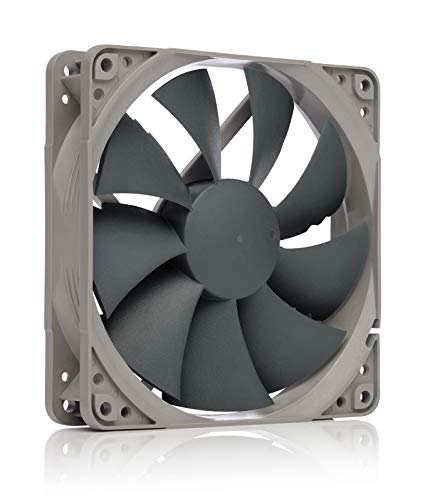
- 120mm 4-pin PWM fan
- Up to 1700 RPM
- 25.1 dB(A) stated noise level
Best For: PWM-controlled workstation cooling
Adjustable Laptop Cooling

- Five USB-powered fans
- Fits 12- to 17-inch laptops
- Six adjustable height settings
Best For: Laptop workstation cooling and elevation
Variable-Speed AC Cooling
120mm Plug-In Variable-Speed Fan

- 3V-12V stepless control
- Standard 120mm mounting
- Includes grilles and mounting hardware
Best For: Standalone cooling for workstation electronics
Compact Quiet Ventilation
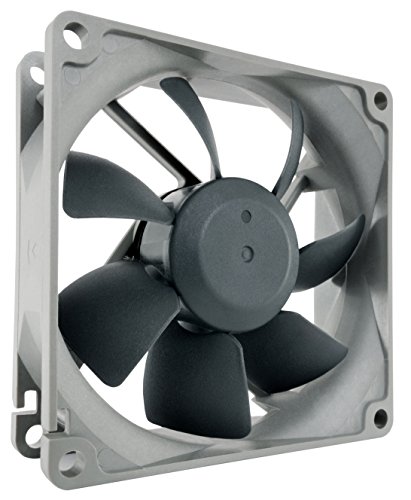
- 80mm 3-pin fan
- 1800 RPM operating speed
- 17.1 dB(A) stated noise level
Best For: Quiet cooling in compact workstations and NAS devices
Best High-Airflow Workstation Array

- Three fans rated at 85 CFM each
- Adjustable 3–12V speed controller
- Dual-ball bearings for flexible placement
Best For: Large workstation enclosures, racks, and DIY ventilation
Best Quiet Compact Option

- Two 80mm fans with 52 CFM total airflow
- USB-powered with multi-speed control
- Listed noise level of 18 dBA
Best For: Quiet localized cooling for electronics and compact workstations
Best PWM Multipack

- Five 120mm 4-pin PWM fans
- 66.17 CFM per fan at up to 1550 RPM
- ARGB lighting with S-FDB bearings
Best For: Desktop workstations needing several motherboard-controlled fans
Best Plug-and-Play Pick

- Dual 12V fans deliver about 52.7 CFM each
- Three speed settings for adjustable airflow
- Flat or upright placement with protective covers
Best For: External cooling for desktops, consoles, routers, and other electronics
Best PWM Upgrade

- Up to 72.8 CFM at 2,100 RPM
- 4.15mm-H2O static pressure for radiators
- Daisy-chain multiple fans through one PWM connector
Best For: Radiators, heatsinks, and PWM-controlled workstation builds
Best High-Airflow Variable-Speed Option

- Up to 95.8 CFM airflow at 2,800 RPM
- Controller adjusts speed from 700 to 2,800 RPM
- Dual-ball bearings rated for 50,000 hours
Best For: Adjustable external ventilation for PCs, servers, and electronics
Quiet 120mm Performance – Noctua NF-P12 redux-1700 PWM
For computer cooling fans for workstations, the Noctua NF-P12 redux-1700 PWM is a strong 120mm option when you need controlled airflow without excessive noise. Its 4-pin PWM connector allows compatible motherboards to adjust fan speed automatically, making it suitable for CPU coolers, radiators, or chassis ventilation.
Best For: Workstations needing a versatile 120mm fan with PWM speed control and a balance of airflow and quiet operation.
Pros:
- Pressure-optimized design provides strong airflow and static pressure.
- 4-pin PWM support enables automatic motherboard speed control.
- Rated for up to 1700 RPM with a stated noise level of 25.1 dB(A).
- Includes a six-year manufacturer’s warranty.
Cons:
- Only one fan is included.
- Its 120mm size may not fit compact cases or devices designed for smaller fans.
The NF-P12 redux-1700 PWM is a practical workstation upgrade when compatibility with a standard 120mm mount and a 4-pin header is available. It offers flexible cooling for several PC configurations while retaining a relatively low stated noise level.
Adjustable Laptop Cooling – Kootek Five-Fan Cooling Pad
Although designed for laptops rather than desktop cases, this Kootek pad is a useful option for computer cooling fans for workstations built around a 12- to 17-inch notebook. It combines five USB-powered fans with adjustable height settings, giving mobile workstation users added airflow and a more ergonomic setup.
Best For: Laptop-based workstations that need active cooling, adjustable positioning, and extra USB connectivity.
Pros:
- Five fans provide broad coverage, with selectable fan configurations.
- Six adjustable height settings support a more comfortable working angle.
- Built-in dual USB hub adds connectivity for peripherals.
- Front stoppers help keep 12- to 17-inch laptops secure.
Cons:
- It is a laptop cooling stand, not an internal desktop workstation fan.
- Best performance requires a 5V 1A adapter, according to the supplied guidance.
- Blue LED lighting may not suit every workstation setup.
Choose the Kootek when your workstation is a laptop and you want cooling plus adjustable elevation. Its broad compatibility and selectable fan operation are convenient, but its external USB-powered design is not a replacement for an internal case fan.
Variable-Speed AC Cooling – 120mm Plug-In Variable-Speed Fan
This 120mm AC-powered fan suits computer cooling fans for workstations and related electronics when a direct wall connection and adjustable airflow are useful. The included speed control provides stepless adjustment from 3V to 12V, while the kit includes grilles, rubber feet, screws, and a US plug adapter.
Best For: DIY cooling of routers, NAS devices, amplifiers, consoles, DVRs, and other electronics with space for a standard 120mm fan.
Pros:
- Stepless speed control allows airflow and noise to be adjusted.
- Standard 120mm format supports flat, embedded, or external installation.
- All-in-one kit includes protective grilles, feet, screws, and adapter.
- Dual ball bearing design is intended for long-term operation.
Cons:
- Its stated 37 dB noise level may be noticeable in quiet offices.
- The 5.5 x 2.1mm female plug connection may require compatibility checks.
- It is not described as a motherboard-connected PWM fan.
This model is more flexible than a typical internal PC fan for projects that need standalone power. Its variable control and included mounting hardware make installation approachable, but verify the enclosure, power connection, and noise expectations before choosing it for a workstation.
Compact Quiet Ventilation – Noctua NF-R8 redux-1800
For smaller enclosures, the Noctua NF-R8 redux-1800 is a compact choice among computer cooling fans for workstations. Its 80mm frame is designed for chassis ventilation and replacement cooling in devices such as NAS systems, with a stated 17.1 dB(A) noise level.
Best For: Compact workstations, NAS devices, and other equipment that uses an 80mm fan mount.
Pros:
- Compact 80 x 80 x 25mm form factor fits smaller spaces.
- Low-noise design has a stated noise level of 17.1 dB(A).
- 1800 RPM speed balances airflow, static pressure, and quiet operation.
- Optional accessories can support speed reduction and installation flexibility.
Cons:
- Its 3-pin connection does not provide the 4-pin PWM control of the NF-P12 model.
- 80mm airflow capacity may be less suitable for larger, high-heat cases.
- Optional low-noise adapters and other accessories are not included in the supplied details.
The NF-R8 redux-1800 is a sensible replacement when an enclosure requires an 80mm fan and quiet operation matters. Confirm the mounting size and connector arrangement first, especially if you want motherboard-based speed control.
Best High-Airflow Workstation Array – Triple 120mm AC Fan
For workstation builders who need broad airflow without relying on motherboard fan headers, this three-fan AC-powered array is a practical option. It combines three 120mm fans, adjustable 3–12V output, and an included speed controller for cabinet, chassis, rack, or workstation ventilation.
Best For: Workstations, server racks, cabinets, mining rigs, and other setups needing flexible intake or exhaust ventilation.
Pros:
- Three 120mm fans provide a combined rated airflow of 255 CFM.
- AC speed controller supports adjustable speed and an on/off function.
- Dual-ball bearings support horizontal or vertical placement and a listed 50,000-hour lifespan.
- Protective metal grilles allow use as a DIY window or enclosure fan.
Cons:
- The 14.17-inch-wide assembly requires more mounting space than individual fans.
- Its AC plug and controller may be less convenient for compact PC builds.
- The listed 35 dB noise level may be less suitable for especially quiet work areas.
This is a strong choice when workstation cooling calls for high airflow and independent speed control. Its larger form factor is best suited to enclosures, racks, and custom ventilation projects rather than standard internal case mounting.
Best Quiet Compact Option – AC Infinity MULTIFAN S5
The AC Infinity MULTIFAN S5 is a compact pick among computer cooling fans for workstations, especially when low noise and simple USB power matter. Its two 80mm fans deliver 52 CFM total airflow and include a multi-speed controller for adjusting cooling to the surrounding equipment.
Best For: AV components, game consoles, compact workstation cabinets, amplifiers, and electronics with an available USB port.
Pros:
- Dual 80mm fans produce a listed total airflow of 52 CFM.
- USB power works with ports found on many AV electronics and game consoles.
- Listed total noise is only 18 dBA.
- Dual-ball bearings are rated for a 67,000-hour lifespan, with flat or upright placement supported.
Cons:
- Its 80mm fans provide less airflow than larger 120mm workstation fans.
- USB power may not suit installations without a nearby compatible port.
- The compact design is better for localized cooling than large-case ventilation.
Choose this model when quiet operation and easy USB installation take priority over maximum airflow. The integrated controller also makes it useful for tuning cooling around sensitive electronics without adding a dedicated AC supply.
Best PWM Multipack – Thermalright TL-C12C-S 5-Pack
For standard desktop workstations, this five-pack provides multiple 120mm computer cooling fans for workstations with motherboard-controlled PWM speed management. Each fan reaches up to 1550 RPM, delivers 66.17 CFM of airflow, and includes ARGB lighting for compatible builds.
Best For: Desktop cases, CPU coolers, radiators, and workstation builds needing several synchronized 4-pin PWM fans.
Pros:
- Five 120mm fans offer a practical multi-fan upgrade for cases or cooling arrays.
- 4-pin PWM control lets the motherboard adjust speed according to temperature.
- Each fan is rated for 66.17 CFM with noise up to 25.6 dBA.
- S-FDB bearings and ARGB support add durability and configurable lighting.
Cons:
- These fans require compatible 4-pin PWM connections and ARGB support for full functionality.
- They are intended for desktop installations rather than AC-powered standalone ventilation.
- At 1550 RPM, they may not match higher-speed fans where maximum airflow is the priority.
This pack makes sense for a workstation builder replacing several case fans at once or creating a coordinated CPU and chassis cooling setup. PWM automation, long cables, and five included fans make it more flexible for internally mounted desktop systems than standalone enclosure fans.
Best Plug-and-Play Pick – ELUTENG Dual AC USB Fan
For workstation setups that need simple auxiliary airflow, the ELUTENG dual-fan unit is a practical option among computer cooling fans for workstations. It uses a 12V AC adapter, offers three speed settings, and can sit flat or upright near a desktop, router, console, or other equipment.
Best For: Workstations and electronics that need external, adjustable airflow without installing an internal case fan.
Pros:
- Dual fans provide about 52.7 CFM of airflow each at 1,500 RPM.
- Three-speed control supports quieter or stronger cooling as needed.
- Hydraulic bearings are rated for a theoretical 50,000-hour life.
- Protective covers and four foot pads support stable, safer placement.
Cons:
- It is an external cooling solution rather than a standard internal case fan.
- The supplied details describe a 12V AC-adapter setup, so outlet placement matters.
Choose this model when convenience and flexible placement matter more than motherboard integration. Its upright or flat positioning makes it useful for directing air toward equipment outside the main case.
Best PWM Upgrade – CORSAIR RS120 120mm Fan
The CORSAIR RS120 is a strong choice for workstation builders who want a conventional 120mm fan with motherboard control. Its 4-pin PWM connector, up to 2,100 RPM speed, and high static pressure make it suitable for radiators, heatsinks, and case airflow.
Best For: Workstations with compatible 120mm mounts, radiators, or heatsinks that benefit from PWM control and focused airflow.
Pros:
- Provides up to 72.8 CFM airflow and 4.15mm-H2O static pressure.
- 4-pin PWM control allows precise speed adjustment.
- Daisy-chain design lets multiple fans share one PWM connector.
- AirGuide vanes help direct airflow toward hot components.
Cons:
- This listing is for a single fan.
- Its stated noise level is up to 36 dB.
- It requires a compatible 4-pin PWM connection for its control features.
For a workstation that uses a radiator or heatsink, the RS120 offers more targeted cooling potential than a basic low-pressure case fan. Daisy-chaining can also simplify cable management in multi-fan builds.
Best High-Airflow Variable-Speed Option – Easy Cloud 120mm Fan
The Easy Cloud 120mm axial fan suits workstation users who want strong airflow and manual speed adjustment from an AC-powered setup. Its included controller varies the fan from 700 to 2,800 RPM, making it possible to prioritize cooling performance or a quieter environment.
Best For: External ventilation for PCs, server cabinets, DVRs, routers, and other equipment where adjustable airflow is useful.
Pros:
- Offers up to 95.8 CFM airflow at a maximum 2,800 RPM.
- Included controller supports adjustable operation from 700 to 2,800 RPM.
- Dual-ball bearings are rated for a 50,000-hour lifespan.
- AC-plug design supports straightforward outlet-powered installation.
Cons:
- Noise is listed at less than 41 dB, so maximum speed may not suit quiet offices.
- The 2-pin connector is less feature-rich than a 4-pin PWM connection.
- It is a single 120mm fan rather than a multi-fan pack.
This model is a good fit when airflow demands vary throughout the workday. The controller provides more flexibility than a fixed-speed fan, while the 120mm format works for many external ventilation and replacement applications.
How We Picked the Best Computer Cooling Fans for Workstations
We organized these 10 options around the ways workstation owners actually cool equipment: replacing or adding internal case fans, improving laptop airflow, and directing cooling toward servers, racks, or other heat-producing hardware. We considered fan size, power source, speed control, bearing design, installation style, and the practical trade-off between airflow and noise.
Compatibility is especially important. A 120mm PWM fan may be ideal for a standard desktop case, while a USB or AC model can be more useful when the equipment lacks an available motherboard header. Product claims such as “quiet” are also relative, so adjustable speed and appropriate sizing matter more than marketing labels alone.
Quick Comparison
| Fan type | Best for | Main advantage | Check before buying |
|---|---|---|---|
| 120mm PWM case fan | Desktop workstations | Balanced airflow and control | Case clearance and motherboard headers |
| 80mm fan | Compact cases and targeted cooling | Fits tighter spaces | Smaller fans may be louder at high speed |
| USB fan or cooling pad | Laptops and external equipment | Simple, portable setup | USB power and placement |
| AC-powered fan | Servers, racks, and directed airflow | Independent power and strong ventilation | Voltage, plug type, and operating noise |
| Multi-pack | Full case airflow upgrades | Consistent replacement set | Available mounting positions and headers |
Key Buying Factors for Computer Cooling Fans for Workstations
Size and Installation
Measure the mounting position before ordering. Common desktop sizes include 120mm and 140mm, while compact systems often use 80mm fans. Verify thickness, screw-hole spacing, radiator clearance, and whether the fan is intended for a case, CPU cooler, laptop, or external enclosure.
Airflow, Static Pressure, and Speed Control
Case intake and exhaust fans generally prioritize airflow, while radiator and heatsink fans benefit from stronger static pressure. PWM models allow compatible motherboards or controllers to adjust speed based on temperature. AC and USB fans may use built-in controllers instead, making them useful when motherboard control is unavailable.
Noise and Reliability
Larger fans can often move the same amount of air at lower speeds, which may reduce noise. Look for a suitable bearing design, a broad speed range, and a controller or PWM connection if the workstation operates near people. For continuous workloads, prioritize durable construction and stable operation over maximum rated RPM alone.
Power and Compatibility
Confirm whether the fan uses a 3-pin or 4-pin motherboard connector, SATA or another internal power connection, USB, or an AC plug. Do not assume an AC fan is safe for every outlet: check its voltage range, plug configuration, and intended environment before use.
Who Should Buy Which Computer Cooling Fans for Workstations?
Desktop workstation builders: Choose a 120mm PWM fan or a coordinated multi-pack when your case has standard mounts and available headers. These are the most practical choices for balanced intake and exhaust airflow.
Compact-PC owners: An 80mm model is appropriate when space is limited, but confirm the exact mounting pattern and expect potentially higher operating noise.
Laptop users: A multi-fan cooling pad is the easiest option for improving airflow beneath a 12- to 17-inch laptop without opening the chassis.
Server and equipment operators: USB or AC-powered fans provide flexible external cooling. Pick adjustable models for quieter office use and stronger-output models for enclosed or consistently hot areas.
Noise-sensitive professionals: Favor larger, speed-controlled fans and run them only as fast as thermal conditions require. Finally, monitor temperatures after installation; a fan upgrade works best when paired with clear front-to-back airflow and unobstructed vents.