Handheld DSLR video can quickly become tiring and unstable, especially during interviews, events, and extended run-and-gun shoots. A camera shoulder rig shifts some of the load from your arms while giving you more control over movement and framing.
This roundup compares 10 camera shoulder rigs for DSLR cameras, including compact shoulder mounts, rod-based systems, quick-release designs, and support harnesses. Use the guide below to match the rig’s comfort, adjustability, mounting system, and portability to your shooting style.
Best 10 Camera Shoulder Rigs for Dslr Cameras Picks for 2026
Best Overall
SMALLRIG Universal Basic Shoulder Mount Kit

- Complete baseplate, rod, shoulder pad, and grip kit
- Rotatable grips and curved shoulder pad improve comfort
- Supports modular 15mm accessories
Best For: Lightweight DSLR and mirrorless video setups
Best Lightweight Pro Option
Tilta Foldable Lightweight Shoulder Rig

- Adjustable arms and handgrips improve fit
- Dual Manfrotto and Arca quick-release baseplate
- Foldable design includes a soft carrying case
Best For: Creators wanting adjustable support and flexible tripod compatibility
Best Simple Carry Option

- Adjustable nylon strap with 1/4-inch screw
- Quick-release buckles support fast access
- Converts to a detachable wrist strap
Best For: Travel and everyday DSLR carrying
Best Heavy-Duty Cinema Option
SMALLRIG HawkLock VCT-14 Shoulder Rig

- One-touch VCT shoulder-to-tripod switching
- Supports up to a stated 20 kg / 44 lb
- Adjustable pad, arm, and 15mm accessory mounts
Best For: Medium and large cinema camera packages
Adjustable Hands-Free Support
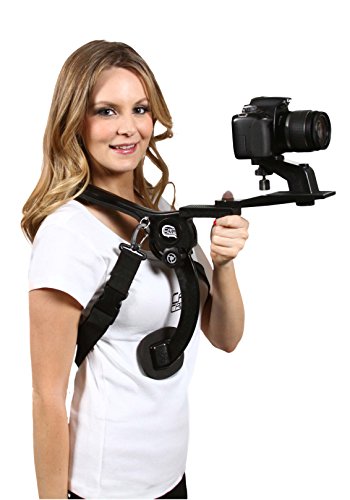
- Adjustable elevator and extension plate
- Includes strap and quick-release snap
- 13-pound maximum recommended load
Best For: Portable DSLR and mirrorless shoulder support
Full Rod-Based Stability

- Detachable 15mm rods and dual handles
- 11-pound maximum load capacity
- Multiple threads for rig accessories
Best For: Expandable DSLR and camcorder video setups
Portable All-Arounder

- Tool-free three-in-one setup
- Adjustable low, mid, and high positions
- Foldable aluminum alloy frame
Best For: Travel shooters and adaptable DSLR video setups
Professional Quick-Adjuster
SmallRig SR007 Pro Shoulder Rig

- One-touch setup and quick-release balancing
- Arca-Swiss, MFT, and 15mm rod support
- Adjustable shoulder and back pads
Best For: Modular professional-style video rigs
Modular 15mm Workhorse

- 15mm rods for expanded accessories
- 11-pound maximum load recommendation
- Arca quick release for rig, tripod, and gimbal transfers
Best For: Accessory-heavy filmmaking setups
Best Overall – SMALLRIG Universal Basic Shoulder Mount Kit
For shoppers comparing camera shoulder rigs for DSLR cameras, the SMALLRIG Basic Shoulder Kit 2896 offers a practical foundation for handheld video. Its baseplate, 15mm rods, shoulder pad, and dual handgrips provide a configurable setup for cameras up to the stated 2 kg recommendation.
Best For: DSLR, mirrorless, and small-camera users who want a customizable shoulder rig for extended handheld shooting.
Pros:
- Includes the baseplate, rods, shoulder pad, and dual handgrips.
- Rotatable handgrips and an ergonomic shoulder pad support comfort and balance.
- 15mm rods and multiple 1/4-inch-20 threads allow accessory expansion.
Cons:
- The 2 kg maximum weight recommendation limits heavier camera builds.
- The kit is not water resistant.
This is a sensible starting point for lightweight DSLR video rigs, especially if you expect to add accessories such as a monitor, microphone, light, or follow focus over time.
Best Lightweight Pro Option – Tilta Foldable Lightweight Shoulder Rig
The Tilta Lightweight Shoulder Rig is a strong option among camera shoulder rigs for DSLR cameras when balance, portability, and mounting flexibility matter. Its adjustable arms, dual quick-release baseplate, and foldable design are aimed at longer filming sessions with DSLR, mirrorless, and lightweight cinema cameras.
Best For: Creators who need a more adjustable rig with Manfrotto and Arca compatibility and a supplied carrying case.
Pros:
- Dual quick-release baseplate supports both Manfrotto and Arca standards.
- Adjustable arms and handgrips help tailor operating comfort.
- Foldable design and included soft carrying case improve transport.
- Rear 15mm rod mount and NATO rail adapter support counterweight-based balancing.
Cons:
- The rig weighs 3.5 kg before additional camera accessories are added.
- Although rated up to 15 pounds, heavier setups may require careful balance to reduce fatigue.
- It is not water resistant.
Choose this Tilta model if you value a more substantial, adjustable platform and need compatibility with common quick-release systems rather than the lightest possible kit.
Best Simple Carry Option – Universal DSLR Shoulder Strap
This universal camera strap is not a shoulder-mounted video rig, but it can be a useful carrying alternative for people researching camera shoulder rigs for DSLR cameras. The nylon neck lanyard uses a 1/4-inch screw, adjustable length, quick-release buckles, and a detachable wrist-strap function.
Best For: Photographers who need hands-free DSLR carrying for travel, outdoor activities, or everyday use rather than stabilized shoulder-mounted video.
Pros:
- Adjusts from 27.5 to 36.6 inches for different users.
- Quick-release buckles allow fast camera access.
- Detaches into a wrist strap and is compatible with DSLR, SLR, mirrorless, and digital cameras.
Cons:
- It provides carrying support, not a shoulder pad, handgrips, rods, or video stabilization.
- Camera compatibility depends on a suitable 1/4-inch mounting connection.
Consider this strap when portability and quick access are more important than building a full shoulder rig. It is a carrying accessory, not a substitute for a shoulder-mounted camera support system.
Best Heavy-Duty Cinema Option – SMALLRIG HawkLock VCT-14 Shoulder Rig
For larger production cameras, the SMALLRIG HawkLock is the most heavy-duty entry among these camera shoulder rigs for DSLR cameras, though it is designed primarily for medium and large cinema cameras. Its built-in VCT module, one-touch adjustment, telescopic arm, and dual quick-release plate prioritize fast transitions and substantial load support.
Best For: Filmmakers using compatible cinema cameras such as Sony FX6/FX9 or Canon C400/C70/C80 who need rapid shoulder-to-tripod changes.
Pros:
- Built-in VCT module enables one-touch switching between shoulder and tripod modes.
- Supports a stated maximum load of 20 kg / 44 lb.
- Adjustable shoulder pad, telescopic arm, and dual quick-release plate improve fit and positioning.
- 15mm rod clamps and 1/4-inch-20 mounting points support monitors, batteries, and follow focus systems.
Cons:
- It is likely excessive for a small DSLR setup and weighs 2,266 g.
- Its VCT-14-oriented design may not suit cameras without compatible mounting arrangements.
- It is not water resistant.
This is the appropriate choice when your camera package is closer to cinema-camera territory and quick deployment matters. For ordinary DSLR builds, a smaller and lighter kit will generally be more practical.
Adjustable Hands-Free Support – Cam Caddie Scorpion EX
The Cam Caddie Scorpion EX is a compact option for anyone comparing camera shoulder rigs for DSLR cameras and wants adjustable positioning without a full rod-based setup. Its elevator, extension plate, and included strap help tailor camera placement for handheld shooting.
Best For: DSLR, mirrorless, camcorder, GoPro, and cellphone users who want a lightweight, adjustable shoulder-support system.
Pros:
- Supports compatible Canon, Nikon, Sony, Panasonic/Lumix, DSLR, mirrorless, GoPro, and cellphone setups.
- Camera elevator and extension plate allow height, side-to-side, and distance adjustments.
- Includes a hands-free strap with a quick-release snap.
- Maximum recommended load is 13 pounds.
Cons:
- The cheese plate needed to transform it into a more complete professional rig is sold separately.
- It does not provide the detachable rods, dual handles, or shoulder pad found on larger rig systems.
Choose the Scorpion EX when portability and adjustable camera placement matter more than extensive accessory mounting. It is a straightforward support solution rather than a full cinema-style rig.
Full Rod-Based Stability – NEEWER SR004 Shoulder Rig
For shoppers seeking camera shoulder rigs for DSLR cameras with more stabilization and expansion potential, the NEEWER SR004 provides a complete rod-based layout. It combines a padded shoulder support, adjustable dual handles, and multiple mounting points for compatible accessories.
Best For: DSLR, mirrorless, compact cinema camcorder, or telephoto-lens users who need a configurable shoulder rig for longer video sessions.
Pros:
- Includes detachable 15mm rods, baseplate, shoulder pad, and dual handles.
- Universal baseplate offers 1/4-inch and 3/8-inch threads and supports loads up to 11 pounds.
- Two 16-inch vertical rods and one 12-inch crossbar provide space for lens supports, matte boxes, follow focus, or battery plates.
- Rotatable handles and sliding shoulder pad allow balance and positioning adjustments.
Cons:
- Accessory components such as a follow focus, lens support, matte box, monitor, and lights are not included.
- At 2.8 pounds, it is heavier and less minimal than a simple shoulder mount.
The SR004 is the strongest fit here for building a more expandable shooting platform. Its rods and threaded baseplate are useful if you expect to add accessories over time, while the foam pad and handles address longer handheld sessions.
Dual-Camera Carrying Harness – ztowoto Double Strap Harness
The ztowoto harness is a different take on camera shoulder rigs for DSLR cameras: it is designed for carrying rather than stabilizing video footage. Its dual-shoulder design can hold two SLR cameras, while the detachable side lets you use it as a single shoulder strap.
Best For: Photographers who carry one or two DSLR or SLR cameras during extended shoots and want quick access with secondary safety tethers.
Pros:
- Supports two SLR cameras simultaneously, with balanced loading recommended.
- Can be separated for single-shoulder use.
- Uses 8mm neoprene for an ergonomic, cushioned fit.
- Includes two safety ropes and a microfiber lens cloth.
Cons:
- It is a carrying harness, not a stabilizing shoulder rig with handles, rods, or a shoulder pad.
- Camera weight should be balanced across both sides for the best carrying effect.
- It is listed as compatible with DSLR and SLR cameras rather than a broad range of video accessories.
Consider this harness if your priority is carrying quick-access cameras instead of stabilizing video shots. The safety tethers add a useful layer of protection, but it is not a substitute for a rod-based filming rig.
Portable All-Arounder – Universal Shoulder Rig Kit
For shoppers comparing camera shoulder rigs for DSLR cameras, this Universal Shoulder Rig Kit emphasizes quick setup, adjustable positioning, and portability. Its aluminum alloy frame combines a cushioned shoulder pad, adjustable handle, and quick-release grip, while the foldable design suits travel and location work.
Best For: Travel shooters, vloggers, and filmmakers who want a lightweight, adaptable shoulder support system.
Pros:
- Three-in-one design supports rapid, tool-free assembly.
- One-click height adjustment enables low-angle, handheld, and shoulder-mounted positions.
- Foldable aluminum alloy construction fits more easily into a camera bag.
- Multiple interfaces support lights, monitors, microphones, and other accessories.
Cons:
- Listed warranty coverage is limited to 90 days.
- The supplied details do not specify a weight capacity or particular DSLR models.
This is a practical choice when portability and flexible shooting angles matter most. Its accessory expansion is useful, though buyers needing clearly documented load limits may prefer a more specification-heavy rig.
Professional Quick-Adjuster – SmallRig SR007 Pro Shoulder Rig
The SmallRig SR007 Pro is a feature-rich option among camera shoulder rigs for DSLR cameras, with one-touch adjustment, ergonomic handles, and a quick-release plate. Its Arca-Swiss and MFT mounting support, 15mm rods, and multiple threaded attachment points make it suitable for more developed video rigs.
Best For: Professional-style mirrorless and small-to-medium camcorder setups requiring extensive adjustment and accessory expansion.
Pros:
- One-click expansion and a quick-release plate speed setup and balance adjustments.
- Adjustable shoulder and back pads improve support across different shooting angles.
- Supports Arca-Swiss and MFT mounting plus 15mm rod accessories.
- Multiple mounting points accommodate monitors, follow focus systems, batteries, and counterweights.
Cons:
- Its extensive adjustment and expansion features may be more than casual shooters need.
- The package does not include a packaging box according to the supplied notes.
- The listed compatibility focuses on mirrorless cameras and small-to-medium camcorders rather than explicitly naming all DSLR bodies.
Choose this rig when fine balance control, shoulder comfort, and a broader accessory ecosystem are priorities. It is especially compelling for filmmakers building a modular setup rather than a minimal handheld kit.
Modular 15mm Workhorse – NEEWER SR007 Shoulder Rig
The NEEWER SR007 stands out among camera shoulder rigs for DSLR cameras with its 15mm rod architecture, dual handles, and Arca-type quick-release system. It supports a stated maximum load of 11 pounds and is designed to transfer between a shoulder rig, tripod, and compatible gimbal workflow.
Best For: Filmmakers who need a heavier-duty, accessory-ready rig with flexible mounting and support options.
Pros:
- 15mm rod system supports matte boxes, follow focus units, lens supports, and V-mount accessories.
- Arca-type quick-release plate is compatible with listed DJI RS gimbals and Arca-style tripod equipment.
- 11-pound maximum weight recommendation provides a clearly stated capacity.
- Dual rotating handles and sliding shoulder support help with balance and shooting comfort.
Cons:
- At 3.5 pounds, the rig is less portable than a minimalist shoulder mount.
- Its longer rods and modular structure may be cumbersome for compact setups.
- Extending the rods requires compatible NEEWER rods and connectors.
This is a strong fit for production builds that use multiple accessories and move between support systems. Buyers prioritizing compactness over expandability may find its 15mm infrastructure and 3.5-pound weight excessive.
How We Picked These Camera Shoulder Rigs for Dslr Cameras
We focused on the features that most affect real-world DSLR video work: shoulder support, camera stability, adjustment range, mounting compatibility, quick-release convenience, portability, and accessory expansion. The selection includes simple mounts for lightweight cameras as well as more configurable 15mm rod systems for follow focuses, matte boxes, handles, and other filmmaking accessories.
We also considered whether each design suits quick handheld shooting or longer sessions. A compact rig may be easier to carry, while a larger shoulder system can provide better balance and more mounting options. Always verify camera, plate, rod, rail, and tripod compatibility before buying.
Quick Comparison
| Rig type | Best suited to | Main advantage | Potential trade-off |
|---|---|---|---|
| Basic shoulder mount | Beginners and lightweight DSLR setups | Simple operation and lower bulk | Fewer accessory options |
| 15mm rod shoulder rig | Video and cinema-style builds | Supports handles and accessories | Heavier and more complex |
| Quick-release rig | Fast setup changes | Rapid camera attachment and removal | Requires matching plates or mounts |
| Shoulder strap or harness | Mobile shooters and dual-camera users | Hands-free carrying and added security | Not a full stabilization platform |
Key Buying Factors for Camera Shoulder Rigs for Dslr Cameras
Fit, Balance, and Comfort
The shoulder pad should sit securely without digging into your body, and the camera should balance near your shoulder rather than pulling heavily forward. Look for adjustable handles, height, length, and pad positions so the rig can accommodate your body and lens choice. A heavier lens may require a longer support base or counterbalance.
Mounting and Accessory Compatibility
15mm rods and NATO rails are useful if you plan to add a follow focus, external monitor, microphone, or matte box. If you only need steadier handheld footage, a simpler mount may be more practical. Check whether the system uses a standard 1/4-inch camera screw, Arca-style plate, VCT-14 interface, or another proprietary connection.
Quick Release and Camera Security
A quick-release mechanism is valuable when switching between shoulder, tripod, and handheld shooting. Confirm that the release locks positively and that the plate remains secure under the weight of your DSLR and lens. Anti-twist features can help prevent the camera from rotating on the mount.
Portability and Expandability
Foldable aluminum designs are easier to transport, while larger rigs may offer better control and more accessory capacity. Consider your complete setup, including batteries, monitor, microphone, rods, and lens. A rig that is comfortable empty may become unwieldy when fully built.
Who Should Buy Which Camera Shoulder Rigs for Dslr Cameras?
Choose a basic shoulder mount if you want a straightforward upgrade from unsupported handheld shooting and use a relatively light DSLR setup. Choose a 15mm rod system if you are building a more advanced video rig or need mounting points for production accessories. Choose a quick-release model if you frequently move between tripod and shoulder operation. Choose a strap or harness if carrying security and hands-free mobility matter more than full shoulder stabilization.
For most buyers, the best option is the lightest rig that balances the camera comfortably while supporting the accessories you actually use. Avoid paying for extra rails or handles unless they solve a specific shooting need.