If you need internet that keeps working when one carrier drops out, dual SIM cellular routers are built for the job. They can switch between networks, help improve uptime, and give you more freedom where cable or fiber isn’t available.
In this roundup, we focus on practical picks for homes, RVs, small offices, and industrial deployments, with an eye on performance, failover, antenna options, and ease of management.
Best 10 Dual SIM Cellular Routers Picks for 2026
Industrial Reliability Choice
Teltonika RUTM50 5G Dual-SIM Router

- 5G with dual-SIM failover and load balancing
- Rugged enclosure for harsh environments
- RMS remote management and VPN support
Best For: Industrial deployments and remote business networking
Home & Travel Value Pick
GL-X2000 Spitz Plus Dual-SIM 4G Router

- 4G LTE CAT 12 with carrier aggregation
- Wi-Fi 6 and multi-WAN flexibility
- OpenVPN, WireGuard, and failover support
Best For: Home, RV, and office users who only need 4G
Industrial Always-On Cellular Backup

- Dual SIM failover with self-recovery
- Cloud-managed industrial design
- VPN support for secure remote access
Best For: Unattended business and industrial sites that need reliable uptime
5G Dual-SIM Wi‑Fi 6 Speed Pick
Cudy P5 AX3000 Cellular Router

- 5G NR with dual SIM and WAN failover
- AX3000 Wi‑Fi 6 and detachable antennas
- VPN and DDNS tools for remote access
Best For: 5G users who want faster speeds and backup connectivity
Performance Pick
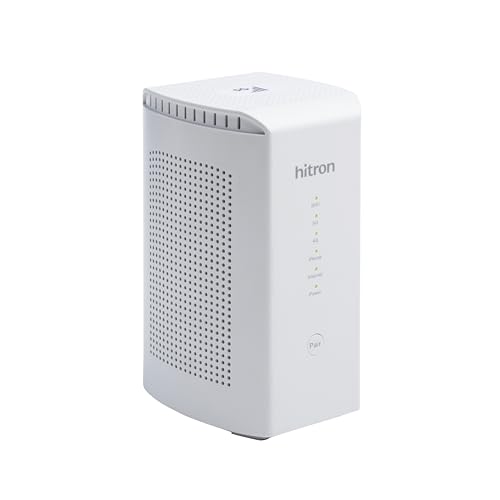
- 5G up to 3.4 Gbps on supported NSA networks
- WiFi 6 AX3000 with 4x4 5GHz MIMO
- Cellular failover plus certified carrier support
Best For: Homes and SOHO users needing fast 5G with backup connectivity
Reliability Pick
KuWFi Dual SIM 5G AX3000 Router
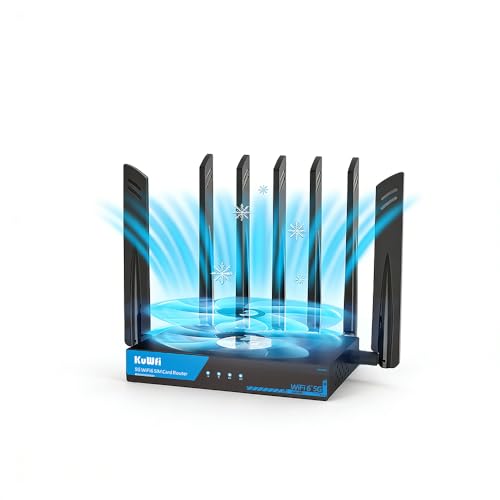
- Dual SIM failover with unlocked global 5G support
- Active cooling fan helps prevent throttling
- 2.5G WAN/LAN port and WireGuard VPN support
Best For: RVs, remote work, and backup internet where uptime matters
Urban & RV 5G Pick – GL-X3000 Spitz AX Dual-SIM Wi-Fi 6 Router
The GL.iNet GL-X3000 is a strong fit for shoppers comparing dual SIM cellular routers for homes, RVs, and road trips. It combines 5G connectivity, Wi-Fi 6, and dual-SIM single-standby switching so you can favor the stronger carrier and keep the connection moving with automatic failover.
Best For: RV travelers, rural homes, and users who want flexible 5G backup with VPN support.
Pros:
- Supports 5G NSA/SA with dual-SIM single-standby and automatic failover
- Wi-Fi 6 speeds up to 574 Mbps on 2.4 GHz and 2402 Mbps on 5 GHz
- Pre-installed OpenVPN and WireGuard with support for 30+ VPN services
- Multi-WAN support, detachable antennas, and optional physical eSIM profile management
Cons:
- Dual SIM is single-standby rather than active on both lines at once
- Top VPN speeds are based on local network tests, so real-world performance may vary
- Physical eSIM card is sold separately
Overall, the GL-X3000 is one of the more versatile dual SIM cellular routers here if you need 5G mobility plus configurable networking. Its mix of OpenWrt-based customization, multi-WAN, and RV-friendly hardware makes it especially practical for people who value redundancy and control.
Industrial Reliability Choice – Teltonika RUTM50 5G Dual-SIM Router
The Teltonika RUTM50 is aimed at buyers who need dual SIM cellular routers for demanding, always-on environments. With 5G connectivity, dual-SIM failover and load balancing, and a rugged industrial design, it’s built for stable networking where downtime is costly.
Best For: Industrial sites, remote monitoring, and businesses that need rugged 5G uptime.
Pros:
- 5G performance with dual-SIM failover and load balancing
- Gigabit Ethernet ports for flexible wired LAN/WAN setups
- Built-in VPN support including OpenVPN, IPsec, and WireGuard
- RMS remote management for monitoring and configuration
Cons:
- Uses WiFi 5 rather than Wi-Fi 6
- Less travel-friendly than compact consumer routers
- Best value is tied to industrial and managed deployments
If you want a rugged router with strong remote management and resilient connectivity, the RUTM50 is an easy shortlist pick. It stands out more for reliability and administration than for flashy home-use features, which is exactly what many business deployments need.
Portable Business Backup – GL-XE3000 Puli AX Dual-SIM 5G Router
The GL.iNet GL-XE3000 is a smart option for anyone comparing dual SIM cellular routers for offices, retail setups, events, or field work. It pairs Wi-Fi 6 and 5G with a built-in battery, so it can keep people online through outages while still offering automatic failover and multi-WAN flexibility.
Best For: Temporary offices, event WiFi, and business continuity during power loss.
Pros:
- Dual-SIM single-standby with automatic failover on 5G networks
- Built-in 6400mAh battery provides up to 8 hours of connectivity
- Wi-Fi 6 plus multi-WAN support including Ethernet, repeater, cellular, and tethering
- OpenVPN, WireGuard, and OpenWrt-based customization support
Cons:
- Dual-SIM is single-standby, not simultaneous dual active
- Physical eSIM card must be purchased separately
- Cellular feature is restricted in several countries and regions
The XE3000 is especially compelling when power resilience matters as much as connectivity. Its battery backup and flexible WAN options make it a practical choice for business users who need a portable router that can handle outages and changing network conditions.
Home & Travel Value Pick – GL-X2000 Spitz Plus Dual-SIM 4G Router
The GL-X2000 is a practical choice if you want dual SIM cellular routers without moving all the way up to 5G. It focuses on 4G LTE CAT 12 performance, Wi-Fi 6, and dual-SIM failover, making it a useful option for homes, RVs, offices, and road trips where dependable cellular internet matters more than peak wireless specs.
Best For: Buyers who want a 4G LTE dual-SIM router for home, RV, or office use.
Pros:
- Dual-SIM single-standby with network failover support
- 4G LTE CAT 12 with three-carrier aggregation for better bandwidth and reliability
- Wi-Fi 6 with multi-WAN, including Ethernet, repeater, cellular, and tethering
- OpenVPN and WireGuard support for secure remote access
Cons:
- 4G LTE only, so it lacks 5G support
- VPN speed rating is lower than the newer 5G models in this lineup
- Dual-SIM design is single-standby rather than active on both cards
For shoppers who do not need 5G, the GL-X2000 delivers a balanced feature set with strong flexibility and security tools. It’s a sensible middle-ground router for people who want carrier redundancy, OpenWrt-based control, and stable everyday connectivity.
AX3000 Dual-SIM WiFi 6 LTE Performance – Wiflyer Cat9 4G LTE Router
If you want dual SIM cellular routers with faster home or small-office wireless, the Wiflyer AX3000 is built around Cat 9 LTE, Wi‑Fi 6, and full gigabit ports. It’s a practical pick when you want flexible carrier selection, automatic failover, and stronger wireless throughput than basic 4G models.
Best For: Users who want a fast dual-SIM 4G LTE router with Wi‑Fi 6, gigabit Ethernet, and band-locking controls.
Pros:
- Dual SIM with single-standby failover for switching to a stronger carrier connection.
- Cat 9 LTE support and broad band coverage for more flexible network compatibility.
- AX3000 Wi‑Fi 6 with MU-MIMO and full gigabit ports for faster local networking.
- Includes TTL, band locking, MAC filtering, ad blocking, and WPA/WPA2 security.
Cons:
- Dual SIM operation is single-standby, not full simultaneous use.
- Some settings may require a router reset if changes do not save correctly.
- Best value depends on whether you need advanced cellular features beyond standard LTE routing.
This model stands out if you want a feature-rich dual SIM cellular router with stronger Wi‑Fi and more control over cellular behavior. It fits best where speed, flexibility, and traffic management matter more than keeping the hardware simple.
Industrial Always-On Cellular Backup – InHand IR302 Dual SIM Router
The InHand IR302 is aimed at dual SIM cellular routers for remote sites that need resilience more than speed. With LTE Cat 4, cloud management, and automatic recovery features, it’s designed for unattended deployments where uptime and remote administration are priorities.
Best For: Industrial and business installations that need always-on cellular backup, cloud management, and VPN security.
Pros:
- Dual SIM support with link failover for maintaining connectivity if one carrier drops.
- Hardware watchdog and multi-layer link detection help the router self-recover automatically.
- Built-in VPN options include OpenVPN, IPsec, WireGuard, and ZeroTier.
- Cloud platform support makes remote monitoring, configuration, and batch updates easier.
Cons:
- LTE Cat 4 and 150 Mbps data rate are slower than higher-end 5G or Cat 9 models.
- Wi‑Fi is basic 802.11 b/g/n rather than Wi‑Fi 6.
- Primarily built for industrial use, so it may be more router than many home users need.
If your priority is reliability in a harsh or unattended environment, this router makes a strong case. It is less about top-end wireless speed and more about failover, security, and centralized management.
5G Dual-SIM Wi‑Fi 6 Speed Pick – Cudy P5 AX3000 Cellular Router
For buyers comparing dual SIM cellular routers with 5G capability, the Cudy P5 is a speed-focused option. It pairs 5G NR with AX3000 Wi‑Fi 6, dual SIM failover, and multiple VPN tools, making it a versatile choice for homes, mobile setups, and remote camera networks.
Best For: Users who want a 5G dual-SIM router with Wi‑Fi 6, VPN support, and strong wireless coverage.
Pros:
- Supports 5G NR with claimed up to 3.4 Gbps downlink in NSA mode and 2.4 Gbps in SA mode.
- Dual SIM and WAN failover help keep the connection active when one path fails.
- AX3000 Wi‑Fi 6 with MU-MIMO and detachable antennas supports strong wireless coverage.
- Includes multiple VPN clients and DDNS support for remote access and device management.
Cons:
- T-Mobile SIM cards are noted as not compatible.
- Advanced features may be more than necessary for simple backup internet use.
- Requires a 5G service plan to take advantage of the highest mobile speeds.
This is the most speed-oriented pick in the group if you want 5G plus dual-SIM redundancy. It makes sense when you need strong wireless performance and flexible remote-access tools in one router.
Performance Pick – Hitron D60 5G WiFi 6 Router
If you want dual SIM cellular routers with fast 5G speeds and strong home coverage, the Hitron D60 is built for high-performance fixed wireless use. It supports 5G SA/NSA, works with 4G LTE as a fallback, and pairs that cellular connection with WiFi 6 AX3000 plus 4×4 5GHz MIMO for heavier household or small-office demand.
Best For: Homes and SOHO users who want 5G internet with cellular failover and WiFi 6 coverage.
Pros:
- 5G speeds up to 3.4 Gbps on supported NSA networks
- Cellular failover helps keep the connection up when reliability matters
- WiFi 6 AX3000 with 4×4 5GHz MIMO for stronger wireless capacity
- Certified for T-Mobile, AT&T, and US Cellular with Nano SIM support
Cons:
- Only a 3-month limited warranty is listed
- Requires a Nano SIM from one of the certified carriers
The D60 stands out if you want a router focused on speed, carrier certification, and backup connectivity rather than portability. It is a practical option for users who need stable 5G internet and broad WiFi coverage in one device.
Dual-SIM Mesh Pick – AX3000 Global 5G CPE Router
For buyers comparing dual SIM cellular routers, this AX3000 5G CPE leans into redundancy and whole-home coverage. It supports 5G SA/NSA, dual-SIM single standby switching, and automatic failover, while WiFi 6 mesh features and roaming are aimed at larger indoor setups.
Best For: Global users who want dual-SIM backup, mesh-style coverage, and flexible WAN/LAN options.
Pros:
- Dual-SIM single-standby design with automatic failover
- WiFi 6 AX3000 with mesh networking and seamless roaming
- Supports 5G SA/NSA plus 4G LTE and 3G fallback
- Band locking and WAN/LAN flexibility for steadier connections
Cons:
- Product notes show mixed formatting and some incomplete spec details
- More complex than a basic plug-and-play hotspot router
This model is best when backup connectivity and whole-home wireless matter more than simplicity. If you want a dual-SIM router that can adapt to different deployment styles, it offers a lot of networking flexibility.
Reliability Pick – KuWFi Dual SIM 5G AX3000 Router
The KuWFi RM503Qpro is a strong fit if you want dual SIM cellular routers designed for uptime, not just raw speed. It combines AX3000 WiFi 6, dual SIM failover, a 2.5G WAN/LAN port, and an active cooling fan to help maintain performance during sustained use.
Best For: RVs, remote work, small businesses, and backup internet users who value stable long-term operation.
Pros:
- Dual SIM redundancy with automatic failover for better uptime
- Built-in active cooling fan to reduce heat-related throttling
- 2.5G WAN/LAN port supports multi-WAN backup setups
- Unlocked global 5G support with WireGuard VPN capability
Cons:
- Cooling fan adds another component that may matter to noise-sensitive users
- More feature-rich than a simple travel router, so setup may take more time
What sets this KuWFi apart is its focus on continuous operation under load. If you need a dual-SIM router for travel, rural internet, or a backup line that can stay online for longer stretches, it is a compelling option.
How We Picked These Dual SIM Cellular Routers
We prioritized models that offer useful real-world benefits: dual-SIM failover or switching, strong 4G/5G support, solid Wi-Fi performance, and the right mix of ports and management tools. We also favored routers with clear use-case fit, since the best choice for an RV is often different from the best choice for an industrial site.
Quick Comparison: What Matters Most
For home users, Wi-Fi 6, antenna design, and carrier compatibility usually matter most. For travelers, battery support, compact size, and unlocked operation can be more important. For business or industrial buyers, cloud management, VPN support, Ethernet port count, and failover behavior often take priority.
Key Buying Factors for Dual SIM Cellular Routers
Carrier Compatibility
Always check whether the router supports your preferred carriers and bands. A dual-SIM setup is only helpful if both SIMs work on the networks you plan to use.
Failover and SIM Switching
Some Dual SIM Cellular Routers are designed for automatic backup when one network fails, while others are better at manual switching or load-balancing. If uptime matters, make sure failover is automatic and configurable.
5G Vs. 4G LTE
5G models can deliver higher speeds and lower latency, but 4G LTE may still be the better value in areas with limited 5G coverage. Match the router to local signal quality, not just the spec sheet.
Wi-Fi and Wired Ports
Wi-Fi 6 improves efficiency in busy homes and offices, while Gigabit or 2.5G Ethernet helps when you need stable wired connections for desktops, access points, or switches.
VPN, Cloud, and Remote Management
If you need secure remote access or central oversight, look for VPN support, OpenWrt compatibility, or a cloud management platform. These features are especially valuable for fleets, branch sites, and IoT deployments.
Who Should Buy Which Dual SIM Cellular Routers?
Choose a home or RV model if you want easy setup, strong wireless coverage, and reliable carrier fallback. Choose an industrial-grade option if you need remote monitoring, DI/DO, cloud control, or more advanced network tools. Choose a 5G Wi-Fi 6 router if speed and future-proofing matter most, especially in areas with solid 5G service. If budget is the priority, a capable 4G LTE dual-SIM model can still provide excellent backup connectivity without the higher cost of 5G hardware.
In short, the best choice depends on where the router will live, how often it will switch networks, and how much control you want over security and management.