Choosing the right forensic hard drive duplicator can save time, reduce handling risk, and help preserve evidence integrity during imaging, cloning, and sanitization tasks.
Below, we focus on dependable standalone and dock-based options for labs, field techs, and investigators who need consistent performance across SATA, IDE, HDD, and SSD workflows.
Best 10 Forensic Hard Drive Duplicators Picks for 2026
All-In-One Imaging
Tableau TD2u Forensic Duplicator Kit

- Images USB 3.0, SATA, and IDE/PATA devices
- Color LCD shows device and status info
- No special USB 3.0 adapters required
Best For: Mixed-interface forensic imaging labs
SATA Clone and Wipe
StarTech SATDUP11 Standalone Duplicator & Eraser

- Three copy modes and four erase modes
- Supports 2.5-inch and 3.5-inch SATA drives
- Copy & Compare helps verify results
Best For: Standalone SATA cloning, recovery, and sanitizing
Portable Forensics
VOOM HardCopy 3 Portable Forensic Duplicator

- Portable SATA forensic duplicator
- Built-in hardware write-blocker
- Up to 7.5 GB per minute
Best For: Field imaging with source-drive protection
High-Speed Lab Kit
EZ Dupe HD Pal Pro Deluxe Forensic Duplicator

- Up to 600 MB/s copying speed
- 4 copy modes and 8 erase modes
- Includes write blocker, logs, and rugged case
Best For: High-volume lab duplication and media tracking
Dual-Bay Clone-and-Dock
StarTech 2-Bay SATA Duplicator
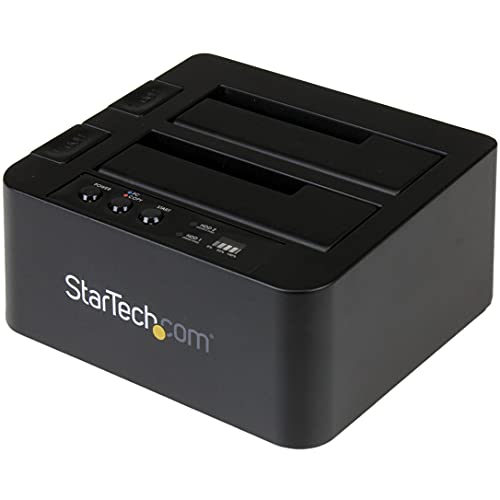
- Standalone sector-by-sector cloning
- Dual-bay dock for SATA HDDs/SSDs
- Also works as USB to SATA adapter
Best For: IT pros needing a versatile SATA duplicator and dock
Forensic Verification Cloner
EZ Dupe 1-to-3 Forensic Duplicator
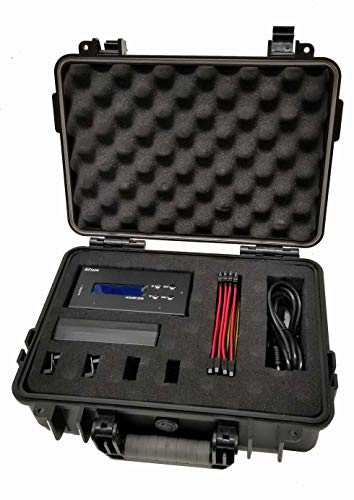
- Raw bit-stream forensic duplication
- MD5 and SHA-1 hash verification
- DoD-compliant erase and wipe modes
Best For: Forensic imaging and secure drive sanitization
Standalone Copy-and-Sanitize

- Standalone copying with no computer required
- Supports 2.5-inch SSDs and 3.5-inch SATA drives
- DoD 5220.22-M data sanitization support
Best For: Simple drive cloning plus secure erasure
Standalone forensic 1-to-3 duplicator
Holmes 221B Standalone 1-to-3 Forensic Duplicator

- Copies one source to up to three drives
- Built-in write blocker helps protect source media
- MD5/SHA-1 hashing and log files aid verification
Best For: forensic labs needing standalone multi-drive duplication
Dual-bay cloning dock
StarTech Dual-Bay SATA Duplicator Dock

- Standalone sector-by-sector cloning for SATA drives
- Also works as a USB/eSATA docking station
- Toolless top-loading design with status LEDs
Best For: IT pros who want cloning plus drive docking in one unit
Simple offline dual-bay cloner
Sabrent Dual-Bay USB 3.0 Offline Cloner
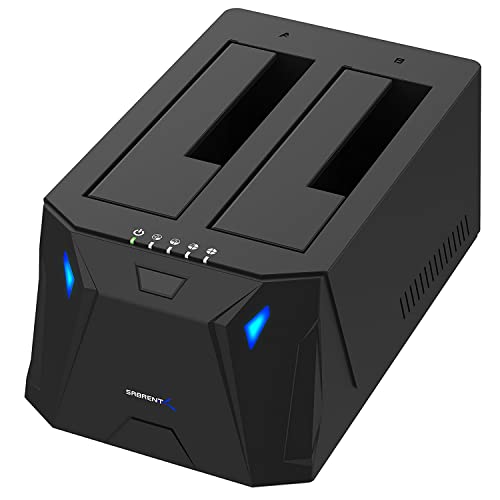
- Offline cloning for 2.5-inch and 3.5-inch SATA drives
- Plug-and-play with no drivers needed
- Also functions as a USB 3.0 docking station
Best For: buyers who want a simple dual-bay dock for offline cloning
All-In-One Imaging – Tableau TD2u Forensic Duplicator Kit
If you need forensic hard drive duplicators that can handle older and newer media in one workflow, the Tableau TD2u Forensic Duplicator Kit is built for broad compatibility. It natively images USB 3.0, SATA, and IDE/PATA devices, and it can direct acquisitions to either USB 3.0 or SATA output devices without requiring special USB 3.0 adapters.
Best For: Lab teams that need a versatile imaging kit for mixed drive types and straightforward status visibility.
Pros:
- Natively supports USB 3.0, SATA, and IDE/PATA storage devices.
- Can send acquisitions to USB 3.0 or SATA output devices.
- Color LCD interface makes connected devices and status easy to view at a glance.
- No special adapters or extra USB 3.0 support costs are required.
Cons:
- Heavier than a compact tabletop unit at 10 pounds.
- Information provided does not include copy speed or erase modes.
Overall, the TD2u is a practical choice when your workflow spans multiple drive interfaces and you want a clean, readable interface for day-to-day forensic imaging.
SATA Clone and Wipe – StarTech SATDUP11 Standalone Duplicator & Eraser
For buyers comparing forensic hard drive duplicators with erase capability, the StarTech SATDUP11 focuses on standalone SATA cloning and sanitizing. It supports 2.5-inch and 3.5-inch SATA HDDs and SSDs, and it offers several duplication and erase modes for backup, deployment, recovery, and cleanup work.
Best For: IT and lab users who need a standalone SATA duplicator with multiple wipe options and verification.
Pros:
- Supports 2.5-inch and 3.5-inch SATA HDDs and SSDs of any capacity.
- Includes 3 duplication modes and 4 erase modes, including Secure Erase and 3-pass overwrite.
- Copy & Compare helps verify the cloned drive against the source.
- Standalone operation with LCD menu navigation and included SATA cables.
Cons:
- Core support is SATA-focused; other interfaces need separate adapters sold separately.
- Adapter support for IDE, mSATA, and M.2 SATA is not included in the box.
This is a strong fit if your workflow centers on SATA media and you want a practical duplicator/eraser that stays OS independent and easy to use.
Portable Forensics – VOOM HardCopy 3 Portable Forensic Duplicator
The VOOM HardCopy 3 is aimed at users who want a portable option among forensic hard drive duplicators. It operates on SATA hard drives, includes built-in hardware write-blocking, and is designed for duplication and wipe tasks at up to 7.5 GB per minute.
Best For: Field work and portable forensic imaging where write-blocking is a must.
Pros:
- Portable form factor is suited to on-site use.
- Built-in hardware write-blocker helps protect source data.
- Supports SATA hard drive duplication and wipe capabilities.
- Rated for operation up to 7.5 GB per minute.
Cons:
- Only SATA interface details are provided in the notes.
- Fewer feature details are listed than on some lab-oriented kits.
If portability and write protection matter most, the HardCopy 3 offers a focused forensic toolset without adding unnecessary complexity.
High-Speed Lab Kit – EZ Dupe HD Pal Pro Deluxe Forensic Duplicator
If you want forensic hard drive duplicators with fast output and lab-oriented extras, the EZ Dupe HD Pal Pro Deluxe Kit is built for production-style workflows. It duplicates 2.5-inch and 3.5-inch HDDs and SSDs, includes SATA and IDE/PATA support, and adds features like write blocking, log files, and label printing for project tracking.
Best For: High-volume duplication labs that need fast copying, tracking tools, and a rugged transport case.
Pros:
- Copies HDDs and SSDs up to 600 MB/s, listed as 36 GB/min.
- Includes 4 copy modes and 8 erase modes, including secure and enhanced erase.
- Source write blocker helps prevent changes to the source drive.
- Deluxe kit includes a rugged protective case, adapters, cables, and power cord.
Cons:
- Listed as a standalone unit that will not connect to other devices.
- Some workflow extras, like log file-based label printing, are noted as separate from the log file itself.
For teams that prioritize speed, repeatable processes, and documentation-friendly features, this kit is the most fully equipped option in the group.
Dual-Bay Clone-and-Dock – StarTech 2-Bay SATA Duplicator
If you need forensic hard drive duplicators for routine IT imaging or drive handling, this StarTech.com dual-bay unit offers standalone sector-by-sector cloning with no computer required. It works with 2.5-inch and 3.5-inch SATA HDDs and SSDs, and can also serve as a USB to SATA docking station for quick access to drives over USB.
Best For: IT pros who want a dual-purpose duplicator and docking station for SATA drives.
Pros:
- Standalone duplication copies the entire drive, including empty sectors, without a computer.
- Supports 2.5-inch and 3.5-inch SATA HDDs and SSDs, with 4Kn compatibility.
- Can also function as a USB to SATA adapter/docking station for drive access.
- Tool-less, tray-less top-loading design with drive doors and eject buttons.
Cons:
- Source and target drives must be the same size or the target must be larger.
- IDE support requires a separately sold adapter.
This is a practical pick if you want a simple standalone copier that can also double as a dock. Its combination of OS-independent cloning, broad SATA compatibility, and IT-focused support makes it useful for day-to-day drive duplication workflows.
Forensic Verification Cloner – EZ Dupe 1-to-3 Forensic Duplicator
Forensic hard drive duplicators are useful when you need an exact, raw copy of a drive, and this EZ Dupe model is built around that task. It supports 2.5-inch and 3.5-inch SATA HDDs and SSDs, offers standalone disk-to-disk or disk-to-file duplication, and includes HPA/DCO write/removal plus hash verification tools.
Best For: Forensic workflows that need verified copies, source protection, and secure erase options.
Pros:
- Forensic duplication copies every bit of information from the source in raw bit stream format.
- Blocks source-drive modification when accessed over USB from a computer.
- MD5 and SHA-1 hash functions help verify image files against source media.
- Includes multiple erase modes, including DoD 3-pass and 7-pass compliant erase.
Cons:
- Maximum copy speed depends on the source drive and the drives being cloned.
- Product notes indicate SATA2-based up to 300 MB/s performance, which may be below some users’ expectations.
If your priority is verified duplication rather than general-purpose docking, this unit is aimed at that job. The combination of source protection, hash checks, and erase functions makes it well suited to evidence handling and secure drive processing.
Standalone Copy-and-Sanitize – Systor 1:1 HDD/SSD Duplicator
When comparing forensic hard drive duplicators, this Systor 1:1 unit stands out for straightforward standalone copying and sanitization. It supports 2.5-inch SSDs and 3.5-inch SATA hard drives without an adapter, and can copy multiple drives simultaneously at up to 90MB per second.
Best For: Users who want a simple standalone duplicator with built-in erase and sanitization features.
Pros:
- No computer or software is required for operation.
- Supports both 2.5-inch and 3.5-inch drives without needing an adapter.
- Can copy systems/files or an entire drive, plus erase drives to DoD 5220.22-M standards.
- Backed by 1 year parts, 3 years labor, and lifetime technical support.
Cons:
- Copy speed is listed at up to 90MB/s, which is slower than some competing duplicators.
- The system is described as 1:1, so it is less flexible for multi-bay workflows.
This is a good fit if you want dependable standalone duplication with sanitization built in. It keeps the workflow simple while still covering both cloning and compliant drive erasure.
Standalone forensic 1-to-3 duplicator – Holmes 221B Standalone 1-to-3 Forensic Duplicator
If you need forensic hard drive duplicators that can make verified copies without a computer, this standalone 1-to-3 unit is built for that workflow. It supports IDE/PATA and SATA 2.5-inch and 3.5-inch HDDs and SSDs, copies at up to 300 MB/s per slot depending on the drive, and includes write-blocking plus hash verification tools for preservation-focused work.
Best For: Forensic labs and IT teams that need standalone, multi-destination drive duplication with write protection and hash verification.
Pros:
- Copies one source to up to three destinations at the same time
- Built-in writer blocker helps prevent source-drive modification
- MD5 and SHA-1 hash functions support image verification
- Includes multiple copy modes, erase modes, and HPA/DCO support
Cons:
- Standalone design means it will not connect to other devices as a normal dock
- Speed depends on the hard drive, so real-world performance may vary
- More specialized than a basic dual-bay cloning dock
This is the most feature-heavy option in the group if your priority is controlled forensic duplication rather than simple drive cloning. The log file output, write blocking, and multi-destination copying make it a strong fit for documented workflows.
Dual-bay cloning dock – StarTech Dual-Bay SATA Duplicator Dock
For buyers comparing forensic hard drive duplicators, this StarTech dual-bay dock offers standalone sector-by-sector cloning for 2.5-inch and 3.5-inch SATA drives. It also doubles as a USB/eSATA docking station, so it is useful when you want one tool for drive access, recovery, and offline duplication without needing a PC for the clone itself.
Best For: IT professionals who want a dual-purpose docking station and standalone cloning tool for SATA drives.
Pros:
- Standalone cloning copies the entire drive, including empty sectors
- Works with 2.5-inch and 3.5-inch SATA HDDs and SSDs
- Also functions as a USB/eSATA docking station for drive access
- Toolless, top-loading design is easy to use
Cons:
- Target disk must be equal to or larger than the source disk
- Designed for SATA drives only; IDE support requires a separate adapter
- Duplication is limited to two bays
This is a practical pick if you want a simpler cloning dock with broad SATA compatibility and no software dependency. It does not add forensic-specific features like write blocking or hash verification, but it does cover offline cloning and everyday recovery tasks well.
Simple offline dual-bay cloner – Sabrent Dual-Bay USB 3.0 Offline Cloner
This SABRENT model is a straightforward choice in forensic hard drive duplicators when you need a simple offline clone workflow for SATA drives. It supports 2.5-inch and 3.5-inch HDDs and SSDs, offers plug-and-play setup with no drivers, and can clone offline while also working as a USB 3.0 dock for general transfer use.
Best For: Users who want an easy-to-use dual-bay dock with offline cloning and basic high-capacity drive support.
Pros:
- Supports standard 2.5-inch and 3.5-inch SATA HDDs and SSDs
- Offline cloning works without a computer or drivers
- USB 3.0 transfer speeds up to 5Gbps for dock use
- Plug-and-play design keeps setup simple
Cons:
- Offline cloning speed is listed at up to 60Mbps, which is modest
- Supports two drives only
- No forensic-specific features like write blocking or hashing are listed
This dock is best viewed as a convenient cloning and access tool rather than a dedicated forensic workstation. It is a good fit if simplicity and broad SATA compatibility matter more than advanced verification features.
How We Picked These Forensic Hard Drive Duplicators
We prioritized models that fit real-world forensic workflows: reliable sector-by-sector copying, strong drive compatibility, clear status feedback, and practical form factors for lab benches or mobile kits. We also looked for features that matter in evidence handling, such as write protection, wipe/sanitization modes, support for both 2.5-inch and 3.5-inch drives, and the ability to handle legacy interfaces where needed.
Quick Comparison: What Matters Most
Not every duplicator is built for the same job. Standalone Forensic Hard Drive Duplicators are usually the best choice when you need repeatable, offline operation without a PC. Dual-bay dock-style units can be more convenient for everyday cloning and workflow flexibility, but they may be better suited to general IT tasks than strict evidence procedures. Portable kits favor field use, while multi-target units are ideal when you need to replicate drives at scale.
Key Buying Factors for Forensic Hard Drive Duplicators
Interface and Drive Compatibility
Make sure the unit supports the drive types you actually use. SATA is standard, but many labs still encounter IDE/PATA and mixed 2.5-inch and 3.5-inch media. If you work across older evidence sets, broad compatibility is essential.
Forensic Features
For Forensic Hard Drive Duplicators, evidence preservation features matter more than raw speed. Look for write-blocking behavior, HPA/DCO handling, and verification options that help confirm an accurate copy. Wipe and sanitize modes are useful, but only when they are clearly separated from imaging workflows.
Speed and Throughput
Faster cloning is helpful, especially when duplicating large SSDs or multiple drives in sequence. Still, advertised speed should be weighed against verification quality, interface support, and sustained performance under real workloads.
Portability and Build Quality
If you travel between scenes or remote sites, a rugged case, compact footprint, and simple controls can matter as much as cloning speed. In-lab users may prefer a larger unit with more bays and clearer progress indicators.
Who Should Buy Which Forensic Hard Drive Duplicators?
Buy a standalone forensic duplicator if your top priorities are evidence integrity, offline operation, and consistent repeatability. Choose a portable 1:2 or 1:3 unit if you need to copy multiple drives quickly in the field or in a small lab. Pick a dock-style duplicator if you want a more general-purpose tool that can also support everyday drive maintenance, recovery, or provisioning tasks.
For most buyers, the best choice comes down to three questions: which drive interfaces you need, how many targets you duplicate at once, and whether your workflow is strictly forensic or more broadly IT-focused. If you answer those first, narrowing the field becomes much easier.