Choosing the right thermal camera can make building inspections faster, more accurate, and easier to document. The best models help reveal missing insulation, moisture issues, electrical hotspots, and airflow problems before they become costly repairs.
Below, we’ve grouped the top options for different inspection needs, from compact Wi-Fi models to higher-resolution handheld cameras with better analysis tools and battery life.
Best 10 Thermal Imaging Cameras for Building Inspections Picks for 2026
Pro-Level Field Display
TOPDON TC004 3.5" Thermal Camera

- 3.5-inch screen for easier viewing
- 512 x 384 TISR-enhanced imaging
- 64GB storage plus Wi-Fi reporting
Best For: Inspectors who need a larger display and better documentation workflow
Rugged Contractor Pick
FLIR TG165-X Building Inspection Camera

- MSX image enhancement for clearer reads
- Bullseye laser for faster targeting
- IP54 rugged body for jobsite use
Best For: Commercial inspectors who want a durable, straightforward thermal tool
High-Detail Diagnostic Tool

- 512 x 384 X³IR thermal resolution
- 2MP visible camera with 3.5-inch IPS screen
- Wi-Fi and USB analysis with voice notes
Best For: Professionals who need more detailed diagnostics and flexible measurement options
Portable Inspection Compact
TOPDON TC004 Mini Thermal Camera

- Pocket-friendly design for easy carrying
- 240 x 240 TISR-enhanced thermal output
- 15-hour battery life with smart alerts
Best For: Users who want a compact camera for routine inspection and leak checks
Compact MSX Imager
FLIR C3-X for Fast Building Checks
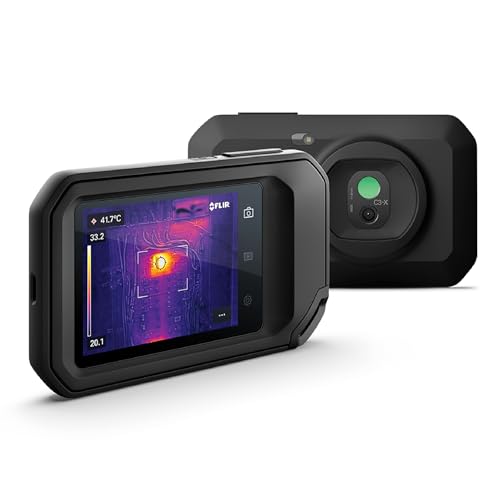
- 128 × 96 thermal imaging with MSX detail overlay
- Wi‑Fi plus FLIR Ignite for upload and reporting
- Compact 6.72 oz body with batteries, charger, and case
Best For: portable building and HVAC inspections with easy documentation
Rugged Long-Run Camera

- 240 × 240 TISR resolution with 40 mK sensitivity
- Up to 24 hours battery life for long inspections
- IP65 protection plus 6.56-foot drop resistance
Best For: long building inspection shifts in rugged conditions
High-Detail Midrange Pick
MILESEEY TR10 192x192 Thermal Camera

- 192x192 super resolution with 25 Hz refresh
- Adjustable emissivity and -4°F to 1022°F range
- 8-hour battery life with 8GB storage
Best For: Inspectors who want clearer thermal detail and long runtime
Reporting-Friendly Pro Choice

- 160 x 120 thermal imaging with MSX enhancement
- FLIR Ignite cloud upload for reports and sharing
- Pocket-sized body with LED flashlight
Best For: Inspectors who need compact size and easy report sharing
Smart Inspection Upgrade
HF96V Dual-Camera Thermal Imager
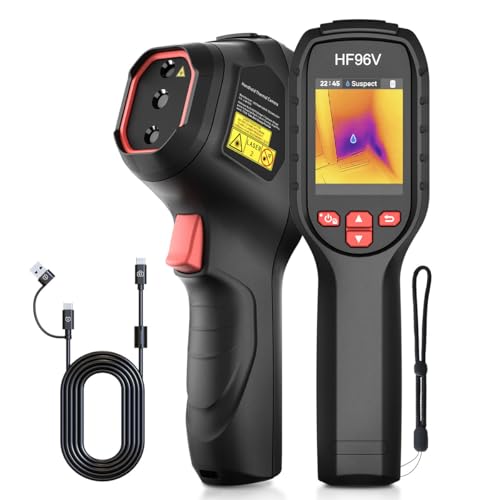
- Dual thermal and visual cameras with 3 image modes
- IntellFault scene detection for leaks and insulation gaps
- Live super resolution up to 240 x 240
Best For: Building inspectors who want guided detection and wide coverage
Pro-Level Field Display – TOPDON TC004 3.5" Thermal Camera
If you want thermal imaging cameras for building inspections that are easier to read on the move, the TOPDON TC004 stands out for its 3.5-inch display, 512 x 384 TISR-enhanced imaging, and practical field features. It is built to make hot spots and temperature differences easier to spot during daily inspection work, while still supporting fast reporting and on-site documentation.
Best For: Inspectors who want a larger screen, strong image detail, and easy file transfer for report work.
Pros:
- 3.5-inch display offers a wider, more comfortable viewing experience
- TISR-enhanced resolution up to 512 x 384 helps reveal subtle temperature differences
- 64GB built-in storage supports extensive image and video capture
- Wi-Fi, PC analysis, and video recording support make reporting easier
Cons:
- Bulkier than pocket-sized mini thermal cameras
- Focused more on field productivity than ultra-compact portability
The TC004 is a solid choice if you value clear on-screen inspection work and better documentation tools. Its rugged IP54 body, 2-meter drop resistance, and red laser pointer add practical value for everyday building inspection tasks.
Rugged Contractor Pick – FLIR TG165-X Building Inspection Camera
Among thermal imaging cameras for building inspections, the FLIR TG165-X is aimed at straightforward commercial use with a compact form, MSX image enhancement, and a bullseye laser for faster targeting. It combines thermal measurement, a spot thermometer, and a rugged IP54 design, making it a practical tool for HVAC, electrical, and building checks.
Best For: Commercial users who want a durable, easy-to-use inspection camera with clear target marking.
Pros:
- MSX helps emboss visual details onto the thermal image for easier interpretation
- Bullseye laser indicates the measurement area for quicker detection
- Measures temperatures from -25°C to 300°C
- IP54 enclosure and drop-tested design support jobsite use
Cons:
- 80 x 60 IR resolution is lower than some higher-detail alternatives
- More basic than cameras with larger screens and wireless workflow tools
The TG165-X is a dependable option when you want a tough inspection camera that is simple to carry and quick to aim. Its image enhancement and warranty coverage add confidence for regular building, HVAC, and electrical work.
High-Detail Diagnostic Tool – Thermal Master Thor 002
If you need thermal imaging cameras for building inspections with more advanced measurement tools, the Thermal Master Thor 002 brings a 512 x 384 X³IR thermal resolution, a 2MP visible camera, and a bright 3.5-inch IPS display. It is built for professionals who want sharper inspection detail, flexible connectivity, and the ability to capture both photo and video evidence on site.
Best For: Inspectors who want higher resolution, a visible-light camera, and deeper diagnostic flexibility.
Pros:
- 512 x 384 X³IR enhancement and 40mK sensitivity support detailed inspections
- 2MP visible camera and 3.5-inch IPS display improve clarity and context
- Six-point measurement, emissivity adjustment, and temperature alarms add versatility
- Wi-Fi, USB PC analysis, voice notes, and QR file management help reporting
Cons:
- Heavier than many handheld competitors at 3.12 pounds
- Feature-rich setup may be more than casual users need
The Thor 002 is a strong fit when inspection work demands more than a basic thermal view. With long battery life, IP54 protection, and 2-meter drop resistance, it is aimed at serious field diagnostics in building, electrical, HVAC, and mechanical work.
Portable Inspection Compact – TOPDON TC004 Mini Thermal Camera
The TOPDON TC004 Mini is built for buyers who want thermal imaging cameras for building inspections in a smaller, more portable package. It starts with 128 x 128 IR imaging and uses TISR to enhance output to 240 x 240, while still keeping practical inspection features like temperature alerts, auto photo capture, and a long battery runtime.
Best For: Users who want a pocket-friendly thermal camera for routine home, leak, and electrical checks.
Pros:
- Compact design makes it easy to carry and hold for longer inspections
- 240 x 240 TISR-enhanced imaging improves thermal detail
- 15-hour battery life supports extended use between charges
- High/low temperature alerts and auto photo capture help document issues quickly
Cons:
- Smaller screen and lower base resolution than larger, more premium models
- 512MB storage is more limited than cameras with built-in high-capacity memory
The TC004 Mini makes sense if portability and battery life matter more than maximum image detail. It still covers the essentials for routine inspection tasks, and the IP54 rating plus 2-meter drop resistance help it handle daily field use.
Compact MSX Imager – FLIR C3-X for Fast Building Checks
The FLIR C3-X is a practical pick for thermal imaging cameras for building inspections when you want a compact tool that is easy to carry and quick to interpret. Its 128 × 96 true thermal image output is boosted by MSX, which overlays visual details to make hot and cold patterns easier to understand during inspections.
Best For: Inspectors who want a lightweight, easy-to-share thermal camera for building, HVAC, and general troubleshooting work.
Pros:
- MSX technology adds visible detail to thermal images for clearer interpretation.
- Wi-Fi and FLIR Ignite cloud support make it easy to upload and share images.
- Measures temperatures from -20 to 300°C for common inspection tasks.
- Very compact and lightweight at 6.72 ounces, with included case, batteries, and charger.
Cons:
- Lower native thermal resolution than some newer super-resolution models.
- Fixed-focus design may be less flexible in tight or varying-distance inspections.
- No self-timer and limited to basic handheld operation.
Overall, the C3-X stands out for field convenience, simple image capture, and reporting workflow rather than maximum thermal detail. If you value easy documentation and portability in a building inspection camera, it is a strong, professional-ready option.
Rugged Long-Run Camera – H128 for Demanding Site Work
The H128 is aimed at thermal imaging cameras for building inspections where durability and long runtime matter. Its 240 × 240 TISR resolution, 25 Hz refresh rate, and 40 mK thermal sensitivity are designed to improve clarity while keeping inspection views smooth and responsive.
Best For: Users who need a rugged thermal imager for long inspection sessions in tougher environments.
Pros:
- 240 × 240 TISR resolution improves clarity beyond the base 128 × 128 level.
- Up to 24 hours of battery life supports extended inspection days.
- IP65 protection and 6.56-foot drop resistance add jobsite durability.
- Temperature alarm and max/min/center tracking help flag abnormalities quickly.
Cons:
- No Wi‑Fi or cloud-sharing features are listed.
- More focused on rugged performance than advanced reporting workflow tools.
- Heavier than compact pocket-style cameras at 1.06 pounds.
For buyers who prioritize endurance, durability, and clear thermal readings over connected features, the H128 is a solid inspection tool. It fits well in routine building work where battery life and environmental resistance can matter as much as image quality.
AI Scene Detection Camera – HF96 for Faster Fault Finding
The HF96 is built for thermal imaging cameras for building inspections when you want more guidance from the camera itself. It combines AI scene recognition, a laser pointer, and 240 × 240 live super resolution to help surface issues like leaks, insulation gaps, and electrical hot spots more efficiently.
Best For: Inspectors who want AI-assisted scanning with broad temperature coverage and practical analysis tools.
Pros:
- AI IntellFault scene recognition can help identify water leaks and insulation gaps.
- 240 × 240 super resolution and 25 Hz refresh support clearer, smoother imaging.
- Laser pointer, 7 palettes, and tripod support improve usability in the field.
- 11-hour runtime and 4 GB storage support longer inspection sessions.
Cons:
- AI scene recognition requires firmware upgrade and selecting Scene in settings.
- No moisture readings are provided despite leak-oriented detection.
- Heavier and larger than compact pocket cameras, so it is less pocket-friendly.
In practice, the HF96 is appealing if you want a more guided inspection workflow with built-in tools for common building issues. It offers a good mix of clarity, measurement range, and usability features for HVAC, electrical, and envelope checks.
High-Detail Midrange Pick – MILESEEY TR10 192×192 Thermal Camera
If you’re comparing thermal imaging cameras for building inspections, the MILESEEY TR10 is a practical option when you want sharper thermal detail without moving into a premium price tier. Its 192×192 super resolution display, 25 Hz refresh rate, and adjustable emissivity make it useful for checking walls, surfaces, and components with more confidence.
Best For: Inspectors who want strong image clarity, quick anomaly detection, and long battery life for routine building checks.
Pros:
- 192×192 super resolution and 25 Hz refresh help show smoother thermal changes.
- High/low temperature alarms plus auto max/min/center readouts help flag anomalies fast.
- Adjustable emissivity supports more accurate readings across different materials.
- 8-hour battery life and 8GB storage are useful for longer inspection sessions.
Cons:
- No Wi-Fi or cloud-sharing features listed for easy reporting.
- Wired connectivity may feel less flexible than wireless options.
- Best suited to straightforward thermal inspection workflows rather than advanced software-driven reporting.
Overall, the TR10 balances image quality, temperature range, and durability well for day-to-day inspection work. It is a solid choice if you want dependable thermal readings and decent capture capacity in a rugged handheld format.
Reporting-Friendly Pro Choice – FLIR C5 Pocket Thermal Camera
For thermal imaging cameras for building inspections, the FLIR C5 stands out if you value compact size and easy documentation. Its 160 x 120 thermal resolution, MSX enhancement, and FLIR Ignite cloud support make it a strong fit for inspectors who need to identify issues and share findings quickly.
Best For: Inspectors who need a pocketable camera with simple reporting and cloud upload support.
Pros:
- MSX technology overlays visual detail on thermal images for easier interpretation.
- FLIR Ignite cloud connectivity helps upload images and build professional reports.
- Compact pocket-sized design is convenient for field use.
- Temperature range of -20 to 400°C covers common inspection scenarios.
Cons:
- 160 x 120 thermal resolution is lower than some newer super-resolution models.
- No wireless feature beyond Wi-Fi is highlighted for advanced workflows.
- Smaller screen and fixed-focus design may feel limited for some users.
The C5 is a good match for inspectors who want a trusted brand, quick fault-finding, and easier post-inspection documentation. If reporting and portability matter as much as thermal capture, it remains a very practical pick.
Smart Inspection Upgrade – HF96V Dual-Camera Thermal Imager
If you’re shopping thermal imaging cameras for building inspections and want a more guided workflow, the HF96V brings several inspection-friendly features together. With dual cameras, live super resolution up to 240 x 240, and IntellFault scene detection, it is built to help users spot moisture leaks, insulation gaps, and other common issues more efficiently.
Best For: Building inspectors who want dual-camera imaging, scene detection, and wide-area scanning support.
Pros:
- Dual thermal/visual cameras with fusion, thermal, and visual modes improve scene context.
- IntellFault scene recognition is designed to help identify water leaks and insulation gaps.
- Live super resolution boosts viewing and captures from 96 x 96 to 240 x 240.
- 50° field of view, laser pointer, and tripod support help during building scans.
Cons:
- Base thermal sensor is 96 x 96 before super resolution processing.
- Some advanced features depend on firmware updates and PC software.
- Like many handhelds, it may take setup time to learn all the scene and palette options.
The HF96V is the most feature-rich of the three for users who want smarter detection tools and a broader inspection workflow. Its combination of dual imaging, scene recognition, and long battery life makes it well suited to building-envelope checks and general fault finding.
How We Picked These Thermal Imaging Cameras for Building Inspections
We focused on features that matter in real inspection work: usable thermal resolution, dependable temperature measurement, clear display quality, battery life, temperature range, and practical extras like visual cameras, Wi-Fi, laser pointers, and PC or app-based reporting. We also favored models that balance portability with enough image quality to spot common building-envelope and electrical issues.
Quick Comparison
The strongest choices generally fall into three groups. Higher-resolution handheld cameras are better when you need sharper detail and more confident readings across larger surfaces. Compact budget-friendly models are useful for quick checks, routine maintenance, and easier carry. Hybrid models with a visual camera or scene detection can speed up documentation and make it easier to explain findings to clients.
Key Buying Factors for Thermal Imaging Cameras for Building Inspections
Resolution and Image Clarity
Thermal resolution affects how much detail you can see on walls, ceilings, panels, and roofs. Higher resolution is helpful when comparing subtle temperature differences or inspecting from a bit farther away. If the camera offers super-resolution or image enhancement, treat that as a plus, but don’t rely on it to replace a genuinely strong sensor.
Temperature Range and Accuracy
For building work, you need a camera that can read common problem areas without clipping or limiting the display. Look for enough range to handle HVAC, electrical, and envelope inspections, along with stable readings that support repeatable comparisons.
Screen, Focus, and Workflow
A bright screen and easy controls matter when you’re working in attics, basements, or mechanical rooms. A laser pointer, ergonomic grip, and simple menu structure can save time in the field. If you create reports often, PC analysis or Wi-Fi transfer can streamline documentation.
Battery Life and Portability
Long battery life is especially useful for large properties or full-day inspection routes. Smaller cameras are easier to carry, but some trade off battery endurance or image detail. Choose based on whether you prioritize mobility, precision, or a mix of both.
Who Should Buy Which Thermal Imaging Cameras for Building Inspections?
If you want the best balance of image quality and professional utility, choose a higher-resolution handheld model. If you need a compact everyday tool for quick diagnostics, a smaller Wi-Fi-enabled camera may be the better fit. For crews that inspect panels, HVAC systems, or multiple units in a day, prioritize battery life, durable handling, and fast reporting features. For occasional users, a straightforward midrange camera is usually enough as long as it delivers clear thermal images and simple controls.
In short, the best Thermal Imaging Cameras for Building Inspections are the ones that match your workflow, not just the one with the longest spec sheet. Focus on clarity, practicality, and how quickly you can turn an image into a useful finding.